🇬🇧This meeting should (and could) have been an email (short version)
How to save money and accidentally make the green transition happen in the right way — and with no extra costs
We have been talking about the “green transition” for years now.
And if you look at the amount of money being mobilised, it would be difficult to argue that governments have simply ignored it.
The European Union’s 2021–2027 long-term budget and NextGenerationEU together amount to around €2 trillion. The EU originally committed to directing at least 30% of this envelope towards climate objectives; current Commission projections put the climate contribution at around €662 billion, or 34% of the total. (European Commission)
The Recovery and Resilience Facility alone has a climate target of 37%, and by 2025 Member States had committed more than €275 billion — over 42% of the total estimated RRF costs — to climate objectives. (European Commission)
So yes: there is European money.
But there is an important distinction.
There is not one enormous European pot of money that simply pays for the green transition everywhere.
EU funding is combined with national public budgets, national co-financing, loans, private investment and other financial instruments. The European Commission itself describes the EU budget as one part of a much larger investment effort. And the Recovery and Resilience Facility is temporary: it is due to end in 2026. (European Commission)
Meanwhile, the scale of what Europe still needs is enormous.
Recent ECB analysis estimates that Europe will need to mobilise an additional 2.7–3.7% of EU GDP every year until 2030 to achieve the green transition. Another ECB analysis estimates an average public green-funding gap of around €20 billion per year between 2025 and 2030, even after taking available EU funds into account. (European Central Bank)
And this is where things become interesting.
Because we have spent years telling a very simple story about the green transition:
Governments need to invest more. Far bad countries are making this impossible to happen.
But perhaps this is only part of the story.
For instance China’s clean-energy investment exceeded $625 billion in 2024, almost doubling since 2015. It also achieved its 2030 target for wind and solar capacity six years ahead of schedule. (IEA)
The IEA estimates that China continues to account for nearly 60% of global renewable-capacity growth, while solar PV has become the single largest area of global energy investment. Global solar investment alone was expected to reach around $450 billion in 2025. (IEA)
So the comfortable idea that the green transition is simply a matter of some countries being “serious” and others being “bad” is becoming increasingly difficult to defend.
The reality is much more complicated.
Countries are investing enormous amounts.
But…
But….Some are moving faster than others.
And above, all….Some have BETTER policies than others.
Some have developed impressive financial mechanisms but still perform poorly on other indicators.
And even Europe, despite its considerable investment, has many a country that fail on a daily basis in simple actions that would cost zero extra funds and would reduce enourmously amounts of public money – but also of private citizens.
This means that something else needs to change — and it needs to change now.
Because perhaps the green transition should not only be a question of:
How much more money can governments put into it?
Perhaps we should also ask:
How much waste can governments eliminate without spending more?
In my subscribers post you will find 10 crucial points of our societies that could be improved with 0 extra costs.
It is a reasoning that comes from evidence I have gathered while working and living in different countries and continents.
It is a story of digitalization, of naming things for what they are — crisis and prevention, for instance — and of bringing responsibility to the right side: the side of institutions and those that should educate and inform citizens.
Because sometimes the problem is not that we lack a green solution…or funds.
Sometimes the problem is that we are still organising our societies in ways that were wrong à century ago and continue to worsen whilst making the solution unnecessarily difficult, expensive and wasteful.
And perhaps this is where a different kind of green transition should begin.
There is much more coming in these subscription versions of my posts, and it is a much more sustainable way to read and “get inspired” by my writings (instead of taking here and there and fuel your debate not even quoting me!)
💁🏻♀️
🇫🇷Cette réunion aurait dû (et aurait pu) être un e-mail (version courte).
Comment économiser de l’argent et faire advenir accidentellement la transition verte de la bonne manière — et sans frais supplémentaires
On parle de la « transition verte » depuis des années maintenant.
Et si l’on regarde le montant des sommes mobilisées, il serait difficile de prétendre que les gouvernements l’ont simplement ignorée.
Le budget à long terme 2021–2027 de l’Union européenne et NextGenerationEU s’élèvent ensemble à environ 2 000 milliards d’euros. L’UE s’était initialement engagée à consacrer au moins 30 % de cette enveloppe à des objectifs climatiques ; les projections actuelles de la Commission situent la contribution climatique à environ 662 milliards d’euros, soit 34 % du total. (Commission européenne)
La Facilité pour la reprise et la résilience comporte à elle seule un objectif climatique de 37 %, et d’ici 2025, les États membres avaient engagé plus de 275 milliards d’euros — soit plus de 42 % des coûts totaux estimés de la FRR — pour des objectifs climatiques. (Commission européenne)
Alors oui : il y a de l’argent européen.
Mais il y a une distinction importante.
Il n’existe pas un énorme pot de vin financier européen unique qui paie simplement la transition verte partout.
Les financements de l’UE sont combinés avec les budgets publics nationaux, le cofinancement national, les prêts, les investissements privés et d’autres instruments financiers. La Commission européenne elle-même décrit le budget de l’UE comme une partie d’un effort d’investissement beaucoup plus vaste. Et la Facilité pour la reprise et la résilience est temporaire : elle doit prendre fin en 2026. (Commission européenne)
Pendant ce temps, l’ampleur de ce dont l’Europe a encore besoin est énorme.
Une analyse récente de la BCE estime que l’Europe devra mobiliser chaque année entre 2,7 % et 3,7 % de PIB européen supplémentaire jusqu’en 2030 pour réaliser la transition verte. Une autre analyse de la BCE estime un déficit moyen de financement vert public d’environ 20 milliards d’euros par an entre 2025 et 2030, même après avoir pris en compte les fonds européens disponibles. (Banque centrale européenne)
Et c’est là que les choses deviennent intéressantes.
Parce que nous avons passé des années à raconter une histoire très simple sur la transition verte :
Les gouvernements doivent investir davantage. De grands méchants pays rendent la chose impossible à réaliser.
Mais c’est peut-être seulement une partie de l’histoire.
Par exemple, les investissements de la Chine dans les énergies propres ont dépassé 625 milliards de dollars en 2024, doublant presque depuis 2015. Elle a également atteint son objectif de capacité éolienne et solaire pour 2030 avec six ans d’avance sur le calendrier. (AIE)
L’AIE estime que la Chine continue d’assurer près de 60 % de la croissance mondiale de la capacité renouvelable, tandis que le solaire photovoltaïque est devenu le premier poste d’investissement énergétique mondial. L’investissement mondial dans le seul domaine solaire devait atteindre environ 450 milliards de dollars en 2025. (AIE)
Ainsi, l’idée confortable selon laquelle la transition verte est simplement une question de pays « sérieux » et d’autres qui seraient « méchants » devient de plus en plus difficile à défendre.
La réalité est beaucoup plus complexe.
Les pays investissent des montants gigantesques.
Mais…
Mais…. Certains avancent plus vite que d’autres.
Et surtout…. Certains ont de MEILLEURES politiques que d’autres.
Certains ont développé des mécanismes financiers impressionnants mais enregistrent encore de de mauvais résultats sur d’autres indicateurs.
Et même l’Europe, malgré ses investissements considérables, compte de nombreux pays qui échouent au quotidien dans des actions simples qui ne coûteraient aucun fonds supplémentaire et réduiraient énormément les montants d’argent public — mais aussi ceux des citoyens privés.
Cela signifie que quelque chose d’autre doit changer — et doit changer maintenant.
Parce que la transition verte ne devrait peut-être pas être seulement une question de :
Combien d’argent en plus les gouvernements peuvent-ils y injecter ?
Nous devrions peut-être aussi demander :
Combien de gaspillage les gouvernements peuvent-ils éliminer sans dépenser plus ?
Dans mon article réservé aux abonnés, vous trouverez 10 points cruciaux de nos sociétés qui pourraient être améliorés avec 0 coût supplémentaire.
C’est un raisonnement issu des preuves que j’ai rassemblées en travaillant et en vivant dans différents pays et continents.
C’est une histoire de digitalisation, de nommer les choses pour ce qu’elles sont — crise et prévention, par exemple — et d’apporter de la responsabilité du bon côté : le côté des institutions et de ceux qui devraient éduquer et informer les citoyens.
Parce que parfois, le problème n’est pas que nous manquions d’une solution verte… ou de fonds.
Parfois, le problème est que nous organisons encore nos sociétés de manières qui étaient fausses il y a un siècle et continuent de s’aggraver tout en rendant la solution inutilement difficile, coûteuse et gâchée.
Et c’est peut-être là qu’un autre type de transition verte devrait commencer.
Il y aura beaucoup d’autres choses à venir dans ces versions sous abonnement de mes articles, et c’est une façon bien plus durable de lire et de « s’inspirer » de mes écrits (au lieu de prendre ici et là et d’alimenter votre débat sans même me citer !)
🇺🇸 When We Ban the Phone Instead of Teaching the Person
There is something increasingly strange happening in the way many societies talk about young people and technology.
A problem appears — distraction, cyberbullying, anxiety, eating disorders, exposure to violence — and the political response is increasingly to remove the object.
Take the phone away.
Ban it at school.
Put it in a pouch. Put it in a locker.
And perhaps, for a few hours, the problem becomes invisible too.
But making something invisible is not the same thing as solving it.
I am not arguing that smartphones should be permanently available in classrooms. Schools need boundaries. Teachers need to be able to teach without thirty students simultaneously checking notifications.
But I am deeply uncomfortable with the idea that restricting young people’s access to technology is somehow equivalent to educating them about technology.
It isn’t.
CENSORSHIP IS NOT EDUCATION.
The phone is not the problem. Societies way to educate youngsters is.
There is evidence that restrictions can reduce distraction in schools. The OECD has found that phone bans can help with classroom concentration, although their effectiveness depends heavily on how they are implemented. Importantly, restrictions during school hours do not necessarily create healthier digital habits outside school.
Other research is much less conclusive. A large Australian study involving more than 1,200 secondary students found no significant short-term difference between schools with and without phone bans in problematic phone use, academic engagement or school belonging.
France has also introduced a more restrictive approach. Its Portable en pause system was extended to public collèges from the 2025–26 school year following an experiment involving more than 32,000 pupils. The French Ministry of Education reports improvements in concentration, school climate and wellbeing.
Those findings should not simply be dismissed.
But neither should they be transformed into the much larger claim that prohibition has solved the underlying problem.
A student who learns that they cannot use a phone between 8:00 and 16:00 has learned a rule.
They have not necessarily learned how algorithms manipulate attention, how to recognise misinformation, how to respond to cyberbullying, how to protect someone’s privacy, how to recognise manipulation, how to use AI critically or how to ask for help.
Those are skills.
And skills have to be taught.
We are giving young people a responsibility that belongs to adults
This is where the discussion becomes more uncomfortable, I think.
Many societies are increasingly placing a weight — almost a border — on the shoulders of a generation that needs quite the opposite: help, support and guide.
Young people are expected to manage their education, their digital behaviour, their relationship with social media, their exposure to misinformation and sometimes even the wellbeing of their peers.
Of course young people have responsibilities.
But education is the responsibility of ADULTS.
That means institutions. It means schools, governments, parents and teachers. It also means universities and professors.
Being an adult does not erase the difference between being an adult student and being an adult educator. A twenty-year-old student and a forty-year-old professor may both be adults, but they do not occupy the same educational position or possess the same institutional power.
Education exists partly to recognise those differences and use them responsibly.
We cannot tell young people:
You are responsible for understanding this world.
while simultaneously telling them:
You are not mature enough to be trusted with the tools through which this world operates.
That is a contradiction which brings inevitably to have the complete chaos we can observe worldwide concerning young generations now clearly failed by contemporary societies and many institutions.
We cannot educate people for a world that no longer exists
There is a strange – almost irritating- nostalgia appearing in discussions about technology.
A fantasy that perhaps we could simply return to the “good old days”: fewer screens, more books, more face-to-face conversations, children playing outside.
There are certainly things from older forms of social life worth preserving.
But let us not romanticise the past.
Bullying existed.
Violence existed.
Social exclusion existed.
Eating disorders existed.
Suicide existed.
Loneliness existed.
The internet did not invent cruelty.
The smartphone did not invent insecurity.
Technology has changed mostly the visibility of some of these experiences.
That distinction matters.
But so does another change:
AWARENESS.
We now have access to extraordinary amounts of information about psychology, sociology, neurodiversity, communication, cultural difference, trauma and human behaviour.
The internet has made knowledge accessible on an unprecedented scale.
AI is now making another layer of information accessible through conversation.
That does not mean everything online is true.
It means we have an unprecedented opportunity to teach people how to determine what is true.
We should not waste it.
The dangers are real. The explanation is complex and much needed.
We should not minimise the risks of digital environments.
WHO/Europe’s research across 44 countries and regions found that approximately one in six adolescents had experienced cyberbullying, while problematic social-media use increased from 7% in 2018 to 11% in 2022.
The U.S. Surgeon General has also warned about the potential mental-health risks associated with social media, particularly at high levels of use.
But this does not make the internet a sufficient explanation for adolescent mental-health problems.
WHO describes adolescent mental health as the result of multiple interacting factors, including family relationships, school environments, social pressures, violence, adversity and access to appropriate support.
That matters.
Because when something tragic happens, we have a tendency to look for one culprit.
The phone. The platform. The teenager.
Sometimes there is an identifiable failure. But many situations are considerably more complicated.
A parent can love their child and still fail to recognise a crisis.
A teacher can care deeply about a student while being responsible for thirty others.
A friend can know that something is wrong without understanding how serious it is.
These are not necessarily stories about bad people.
They are often stories about systems that were never designed to handle the complexity we are asking them to handle.
What we actually need is support
This is why the conversation about phones should ultimately lead somewhere else.
We need better psychological education. We need teachers trained to recognise mental-health and social difficulties. We need parents to have somewhere to turn when they do not understand what is happening to their child.
And we need young people to have access to specialised professionals without having to wonder if they can afford it or reach a point of crisis first.
Because sometimes the most important intervention is surprisingly ordinary:
LISTEN.
Not interrogate. Not minimise. Not immediately correct.
Listen.
And then, when listening is not enough:
GUIDE.
And when guidance is not enough:
PROVIDE A SAFE PLACE TO HEAL.
This is not about blaming families.
Parents can be frightened too. Health, mental health and psychological difficulties are not subjects that every family knows how to deal with.
Sometimes the problem begins within a family. Sometimes it begins at school. Sometimes somewhere else entirely.
That is precisely why the responsibility cannot be placed entirely on one individual. Or a technological device.
We need systems capable of supporting ALL individuals.
Sometimes the phone is the safety device
There is another reason I would never support a complete ban on mobile phones inside schools.
We have to be willing to think about situations that are deeply unpleasant to imagine.
A fire. A violent attack. A medical emergency. A natural disaster. A dangerous intruder.
These situations are rare but REAL.
That is precisely why they are impossible to predict.
The 2022 mass shooting at Robb Elementary School in Uvalde, Texas, is one of the most painful examples. During the attack, children trapped inside the school used their phones to call 911 and contact their families. The official review records students making emergency calls and communicating with parents while the incident was unfolding.
And with November approaching in just a couple of months, this is also something worth remembering as France prepares to commemorate the victims of the 13 November 2015 terrorist attacks in Paris at the Bataclan.
That night is a painful reminder that the situations we most need to prepare for are often the ones we cannot predict. During attacks, travel emergencies, or even the 11th September phones became a way for people inside to reach loved ones and emergency services — a small connection to the outside world when everything else had collapsed.
And let’s remember children need to be educated to properly use these devices, even at young ages, if they are thought not to overuse, because there is how to learn about safety, and they can save adults lives even at home and in unimaginable ways:
In 2020, a five-year-old boy in England saved his mother by calling 112 after she fell unconscious. He recognised the number from the side of his toy ambulance — a small piece of information he had absorbed through play, which became crucial when he suddenly needed it. This is what education can do: it can turn a tool into a lifeline.(Telford, England, July 2020; West Mercia Police, 26 August 2020.)
We cannot build school policy around the assumption that tomorrow will always look like yesterday.
The ordinary school day can be regulated.
The exceptional day cannot be predicted.
And when that day comes, a phone may be the only connection a child has to the outside world.
Sometimes the phone is also the witness
There is another uncomfortable possibility.
A mobile phone can sometimes be the only way a child can document what is happening to them.
An aggression in a corridor. Bullying somewhere. A threat. An assault. A situation in which the child knows that afterwards someone might simply ask:
“Are you sure that is what happened?”
This does not mean that students should be encouraged to film everything.
Recording people can create serious privacy and ethical problems, and filming an unfolding violent situation can put the person recording at greater risk.
But again, the answer should be education.
Teach students when they should seek immediate help. Teach them how to preserve evidence safely when appropriate. Teach them not to circulate images of victims. Teach them how to report an incident.
And, crucially, teach adults to take evidence seriously.
Sometimes, unfortunately, the phone may be the thing that allows the trusted adult to finally see what happened.
And then there is AI
This makes the issue even more urgent.
AI is not going away.
Young people are already using it. And it is part of daily work and study routines in developed counties of Easter Asia as it was the typewriter to Britain since Mill invented it in 1714 (and let’s remember how happy we all were when finally we could use computers to write and avoid that annoying editing that typewriters brought with them!).
A 2025 Pew Research Center survey found that 64% of U.S. teenagers aged 13–17 had used an AI chatbot. And what’s should raise questions that should be considered priority in all governments is that twelve percent said they had used chatbots for emotional support or advice.
We should take that seriously.
But we should interpret it correctly.
AI is not a substitute for psychologists, teachers, parents or friends. Current evidence does not support treating general-purpose chatbots as mental-health professionals for teenagers.
But if a teenager finds it easier to type a difficult question into a chatbot at midnight than to tell an adult at home, perhaps we should also ask:
Why was the chatbot easier to talk to?
Was it because the machine did not interrupt?
Because it did not visibly judge?
Because the teenager was afraid of disappointing a parent?
Because there was no psychologist available?
Because they simply did not know how to begin?
These are educational and social questions.
And they are ours.
Not children’s.
The adults have to build the bridge
Young people did not create the technological world they inherited.
They are growing up in it.
So our responsibility is not to pull them backwards whenever something becomes difficult. It is to give them the education, critical thinking and support they need to navigate it.
Teach them how technology works. Teach them how to recognise danger, manipulation and misinformation. Teach them when a phone belongs in a bag and when it may be essential.
Give them the tools — then teach them how to use them.
Because adults’ world is dangerous.
But it is also theirs.
And eventually, they will grow in these two, apparently distant, but much intertwined worlds.
A generation does not become safer because we remove its tools.
It becomes safer because we teach that generation how to use them, understand people, recognise danger, seek help and live with difference.
That is the responsibility of ADULTS.
And if we fail at that responsibility, taking away the phone will not save us.
🇫🇷 Quand nous bannissons le téléphone au lieu d’éduquer la personne
Il se passe quelque chose de de plus en plus étrange dans la façon dont de nombreuses sociétés parlent des jeunes et de la technologie. Un problème apparaît — distraction, cyberharcèlement, anxiété, troubles de l’alimentation, exposition à la violence — et la réponse politique consiste de plus en plus à retirer l’objet. Enlevez le téléphone. Bannissez-le à l’école. Mettez-le dans une pochette. Mettez-le dans un casier. Et peut-être que, pendant quelques heures, le problème devient lui aussi invisible. Mais rendre quelque chose invisible n’est pas la même chose que le résoudre. Je ne suis pas en train d’affirmer que les smartphones devraient être disponibles en permanence dans les salles de classe. Les écoles ont besoin de limites. Les enseignants doivent pouvoir enseigner sans que trente élèves ne vérifient simultanément leurs notifications. Mais je suis profondément mal à l’aise avec l’idée que restreindre l’accès des jeunes à la technologie équivaudrait d’une manière ou d’une autre à les éduquer à la technologie. Ce n’est pas le cas. LA CENSURE N’EST PAS DE L’ÉDUCATION. Le téléphone n’est pas le problème. La façon dont les sociétés éduquent les jeunes l’est.
Certains éléments prouvent que les restrictions peuvent réduire la distraction à l’école. L’OCDE a constaté que l’interdiction du téléphone peut favoriser la concentration en classe, bien que son efficacité dépende fortement de sa mise en œuvre. Surtout, les restrictions pendant les heures de cours ne créent pas nécessairement des habitudes numériques plus saines en dehors de l’école. D’autres recherches sont beaucoup moins concluantes. Une vaste étude australienne portant sur plus de 1 200 élèves du secondaire n’a révélé aucune différence significative à court terme entre les écoles avec et sans interdiction du téléphone concernant l’utilisation problématique du téléphone, l’engagement scolaire ou le sentiment d’appartenance à l’école. La France a également adopté une approche plus restrictive. Son dispositif « Portable en pause » a été étendu aux collèges publics à partir de l’année scolaire 2025-2026 suite à une expérimentation ayant impliqué plus de 32 000 élèves. Le ministère français de l’Éducation nationale fait état d’améliorations en matière de concentration, de climat scolaire et de bien-être. Ces résultats ne doivent pas être simplement rejetés. Mais ils ne doivent pas non plus être transformés en une affirmation bien plus large selon laquelle la prohibition aurait résolu le problème sous-jacent. Un élève qui apprend qu’il ne peut pas utiliser de téléphone entre 8h00 et 16h00 a appris une règle. Il n’a pas nécessairement appris comment les algorithmes manipulent l’attention, comment reconnaître la désinformation, comment réagir au cyberharcèlement, comment protéger la vie privée de quelqu’un, comment déceler la manipulation, comment utiliser l’IA de manière critique ou comment demander de l’aide. Ce sont des compétences. Et les compétences doivent être enseignées.
Nous faisons porter aux jeunes une responsabilité qui incombe aux adultes
C’est ici que la discussion devient plus inconfortable, je pense. De nombreuses sociétés font peser un poids de plus en plus lourd — presque une frontière — sur les épaules d’une génération qui a besoin de tout le contraire : d’aide, de soutien et de guidage. On attend des jeunes qu’ils gèrent leur éducation, leur comportement numérique, leur relation avec les réseaux sociaux, leur exposition à la désinformation et parfois même le bien-être de leurs pairs. Bien sûr que les jeunes ont des responsabilités. Mais l’éducation est la responsabilité des ADULTES. Cela signifie les institutions. Cela signifie les écoles, les gouvernements, les parents et les enseignants. Cela signifie aussi les universités et les professeurs. Être un adulte n’efface pas la différence entre être un étudiant adulte et être un éducateur adulte. Un étudiant de vingt ans et un professeur de quarante ans peuvent être tous deux des adultes, mais ils n’occupent pas la même position éducative et ne possèdent pas le même pouvoir institutionnel. L’éducation existe en partie pour reconnaître ces différences et les utiliser de manière responsable. Nous ne pouvons pas dire aux jeunes : « Vous êtes responsables de la compréhension de ce monde », tout en leur disant simultanément : « Vous n’êtes pas assez mûrs pour qu’on vous confie les outils à travers lesquels ce monde fonctionne. » C’est une contradiction qui mène inévitablement au chaos complet que l’on peut observer dans le monde entier concernant les jeunes générations, aujourd’hui clairement délaissées par les sociétés contemporaines et de nombreuses institutions.
Nous ne pouvons pas éduquer les gens pour un monde qui n’existe plus
Il y a une nostalgie étrange — presque irritante — qui apparaît dans les discussions sur la technologie. Un fantasme selon lequel nous pourrions simplement revenir au « bon vieux temps » : moins d’écrans, plus de livres, plus de conversations en face à face, des enfants qui jouent dehors. Il y a certainement des éléments des anciennes formes de vie sociale qui méritent d’être préservés. Mais ne romantisons pas le passé. Le harcèlement existait. La violence existait. L’exclusion sociale existait. Les troubles de l’alimentation existaient. Le suicide existait. La solitude existait. Internet n’a pas inventé la cruauté. Le smartphone n’a pas inventé l’insécurité. La technologie a surtout changé la visibilité de certaines de ces expériences. Cette distinction importe. Mais une autre évolution importe tout autant : LA PRISE DE CONSCIENCE. Nous avons désormais accès à une quantité extraordinaire d’informations sur la psychologie, la sociologie, la neurodiversité, la communication, les différences culturelles, les traumatismes et le comportement humain. Internet a rendu le savoir accessible à une échelle sans précédent. L’IA rend aujourd’hui une autre strate d’informations accessible par la conversation. Cela ne veut pas dire que tout ce qui se trouve en ligne est vrai. Cela signifie que nous avons une occasion sans précédent d’apprendre aux gens à déterminer ce qui est vrai. Nous ne devrions pas la gâcher.
Les dangers sont réels. L’explication est complexe et indispensable.
Nous ne devons pas minimiser les risques des environnements numériques. Les recherches de l’OMS/Europe menées dans 44 pays et régions ont révélé qu’environ un adolescent sur six avait été victime de cyberharcèlement, tandis que l’utilisation problématique des réseaux sociaux est passée de 7 % en 2018 à 11 % en 2022. Le Surgeon General des États-Unis a également mis en garde contre les risques potentiels pour la santé mentale associés aux réseaux sociaux, en particulier à des niveaux d’utilisation élevés. Mais cela ne fait pas d’Internet une explication suffisante pour les problèmes de santé mentale des adolescents. L’OMS décrit la santé mentale des adolescents comme le résultat de multiples facteurs en interaction, notamment les relations familiales, l’environnement scolaire, les pressions sociales, la violence, l’adversité et l’accès à un soutien approprié. Cela compte. Parce que lorsque quelque chose de tragique se produit, nous avons tendance à chercher un coupable unique. Le téléphone. La plateforme. L’adolescent. Parfois, il y a une défaillance identifiable. Mais de nombreuses situations sont considérablement plus compliquées. Un parent peut aimer son enfant et ne pas réussir à reconnaître une crise. Un enseignant peut se soucier profondément d’un élève tout en étant responsable de trente autres. Un ami peut savoir que quelque chose ne va pas sans comprendre à quel point c’est grave. Ce ne sont pas nécessairement des histoires de mauvaises personnes. Ce sont souvent des histoires de systèmes qui n’ont jamais été conçus pour gérer la complexité qu’on leur demande de gérer.
Ce dont nous avons réellement besoin, c’est de soutien
C’est pourquoi la conversation sur les téléphones devrait finalement mener ailleurs. Nous avons besoin d’une meilleure éducation psychologique. Nous avons besoin d’enseignants formés pour reconnaître les difficultés sociales et de santé mentale. Nous avons besoin que les parents aient un endroit où s’adresser lorsqu’ils ne comprennent pas ce qui arrive à leur enfant. Et nous avons besoin que les jeunes aient accès à des professionnels spécialisés sans avoir à se demander s’ils peuvent se le permettre ou s’ils doivent d’abord atteindre un point de crise. Parce que parfois, l’intervention la plus importante est étonnamment ordinaire : ÉCOUTER. Pas interroger. Pas minimiser. Pas corriger immédiatement. Écouter. Et puis, quand écouter ne suffit pas : GUIDER. Et quand guider ne suffit pas : OFFRIR UN ESPACE SÛR POUR GUÉRIR. Il ne s’agit pas de blâmer les familles. Les parents peuvent avoir peur eux aussi. La santé, la santé mentale et les difficultés psychologiques ne sont pas des sujets que toutes les familles savent aborder. Parfois, le problème commence au sein d’une famille. Parfois, il commence à l’école. Parfois ailleurs, totalement. C’est précisément pourquoi la responsabilité ne peut être entièrement rejetée sur un seul individu. Ou sur un appareil technologique. Nous avons besoin de systèmes capables de soutenir TOUS les individus.
Parfois, le téléphone est le dispositif de sécurité
Il y a une autre raison pour laquelle je ne soutiendrais jamais une interdiction totale des téléphones portables au sein des écoles. Nous devons être prêts à penser à des situations profondément déplaisantes à imaginer. Un incendie. Une attaque violente. Une urgence médicale. Une catastrophe naturelle. Un intrus dangereux. Ces situations sont rares mais RÉELLES. C’est précisément pour cela qu’elles sont impossibles à prédire. La fusillade de masse de 2022 à l’école élémentaire Robb d’Uvalde, au Texas, en est l’un des exemples les plus douloureux. Pendant l’attaque, des enfants piégés à l’intérieur de l’école ont utilisé leur téléphone pour appeler le 911 et contacter leurs familles. Le rapport officiel mentionne des élèves passant des appels d’urgence et communiquant avec leurs parents pendant le déroulement de l’incident. Et alors que le mois de novembre approche dans à peine deux mois, c’est aussi un élément dont il faut se souvenir alors que la France s’apprête à commémorer les victimes des attaques terroristes du 13 novembre 2015 à Paris, au Bataclan. Cette nuit-là est un rappel douloureux que les situations auxquelles nous avons le plus besoin de nous préparer sont souvent celles que nous ne pouvons pas prédire. Lors d’attaques, d’urgences lors de déplacements, ou même du 11 septembre, les téléphones sont devenus un moyen pour les personnes à l’intérieur de joindre leurs proches et les services d’urgence — un mince lien avec le monde extérieur quand tout le reste s’était effondré. Et rappelons-nous que les enfants ont besoin d’être éduqués à l’utilisation correcte de ces appareils, même dès le plus jeune âge, si l’on veut qu’ils n’en abusent pas, car c’est ainsi qu’on apprend la sécurité, et ils peuvent sauver des vies d’adultes, même à la maison et de façons inimaginables : En 2020, un garçon de cinq ans en Angleterre a sauvé sa mère en appelant le 112 après qu’elle est tombée inconsciente. Il avait reconnu le numéro sur le côté de son ambulance en jouet — une petite information qu’il avait absorbée en jouant, et qui est devenue cruciale lorsqu’il en a eu soudainement besoin. C’est ce que l’éducation peut faire : elle peut transformer un outil en une bouée de sauvetage. (Telford, Angleterre, juillet 2020 ; Police de West Mercia, 26 août 2020.)
Nous ne pouvons pas construire les politiques scolaires sur l’hypothèse que demain ressemblera toujours à hier. Une journée d’école ordinaire peut être réglementée. Une journée exceptionnelle ne peut pas être prédite. Et lorsque cette journée arrive, un téléphone peut être le seul lien d’un enfant avec le monde extérieur.
Parfois, le téléphone est aussi le témoin
Il existe une autre possibilité inconfortable. Un téléphone portable peut parfois être le seul moyen pour un enfant de documenter ce qui lui arrive. Une agression dans un couloir. Du harcèlement quelque part. Une menace. Une attaque. Une situation dans laquelle l’enfant sait qu’après coup, quelqu’un pourrait simplement demander : « Es-tu sûr que c’est ce qui s’est passé ? » Cela ne veut pas dire qu’il faut encourager les élèves à tout filmer. Filmer des gens peut créer de graves problèmes d’éthique et de vie privée, et filmer une situation violente en cours peut exposer la personne qui filme à un risque plus grand. Mais là encore, la réponse devrait être l’éducation. Apprendre aux élèves quand ils doivent chercher une aide immédiate. Leur apprendre à conserver des preuves en toute sécurité lorsque cela est approprié. Leur apprendre à ne pas faire circuler d’images de victimes. Leur apprendre à signaler un incident. Et, surtout, apprendre aux adultes à prendre les preuves au sérieux. Parfois, malheureusement, le téléphone est l’élément qui permet à l’adulte de confiance de voir enfin ce qui s’est passé.
Et puis il y a l’IA
Cela rend la question encore plus urgente. L’IA ne va pas disparaître. Les jeunes l’utilisent déjà. Et elle fait partie des routines quotidiennes de travail et d’étude dans les pays développés d’Asie de l’Est, tout comme la machine à écrire l’était pour la Grande-Bretagne depuis que Mill l’a inventée en 1714 (et rappelons-nous à quel point nous étions tous heureux quand nous avons enfin pu utiliser des ordinateurs pour écrire et éviter cette pénible réécriture que les machines à écrire imposaient avec elles !). Sondage Pew Research Center de 2025 : 64 % des adolescents américains âgés de 13 à 17 ans avaient utilisé un chatbot IA. Et ce qui devrait soulever des questions à considérer comme prioritaires pour tous les gouvernements, c’est que douze pour cent ont déclaré avoir utilisé des chatbots pour obtenir un soutien émotionnel ou des conseils. Nous devrions prendre cela au sérieux. Mais nous devrions l’interpréter correctement. L’IA ne remplace pas les psychologues, les enseignants, les parents ou les amis. Les données actuelles ne permettent pas de considérer les chatbots généraux comme des professionnels de la santé mentale pour adolescents. Mais si un adolescent trouve plus facile de taper une question difficile dans un chatbot à minuit que d’en parler à un adulte à la maison, peut-être devrions-nous aussi nous demander : Pourquoi le chatbot était-il plus facile à aborder ? Était-ce parce que la machine n’interrompait pas ? Parce qu’elle ne jugeait pas visiblement ? Parce que l’adolescent avait peur de décevoir un parent ? Parce qu’il n’y avait pas de psychologue disponible ? Parce qu’il ne savait tout simplement pas par où commencer ? Ce sont des questions éducatives et sociales. Et elles sont les nôtres. Pas celles des enfants.
C’est aux adultes de bâtir le pont
Les jeunes n’ont pas créé le monde technologique dont ils ont hérité. Ils grandissent dedans. Notre responsabilité n’est donc pas de les tirer en arrière dès que quelque chose devient difficile. Elle est de leur donner l’éducation, l’esprit critique et le soutien dont ils ont besoin pour y naviguer. Enseignez-leur le fonctionnement de la technologie. Enseignez-leur à reconnaître le danger, la manipulation et la désinformation. Enseignez-leur quand un téléphone doit être dans un sac et quand il peut être essentiel. Donnez-leur les outils — puis apprenez-leur à s’en servir. Parce que le monde des adultes est dangereux. Mais il est aussi le leur. Et à terme, ils grandiront dans ces deux mondes, en apparence distants, mais extrêmement entremêlés. Une génération ne devient pas plus en sécurité parce que nous lui retirons ses outils. Elle devient plus en sécurité parce que nous lui apprenons à les utiliser, à comprendre les autres, à reconnaître le danger, à demander de l’aide et à vivre avec la différence. C’est la responsabilité des ADULTES. Et si nous échouons à cette responsabilité, retirer le téléphone ne nous sauvera pas.
🇬🇧 When Calling Yourself an Animal Lover Isn’t Enough
A couple of days ago, over the weekend, I went into the garden—as I do every other day—to water the plants and check those struggling under the current heatwave. When I stepped onto the patio, I found my neighbour’s cats comfortably sleeping on my outdoor table.
That, unfortunately, was nothing unusual.
For quite some time now, the cats have spent much of their time in my garden. During previous periods when their owner was away, I rarely saw anyone checking on them. At the beginning, I only noticed somebody coming roughly once a week to leave some food. I never saw fresh water being replaced daily, so I started putting a small bowl of clean water in a shaded corner and occasionally left a little cat food as well, simply because the temperatures had become dangerously high.
This particular weekend, however, the owner was back.
Yet one of the cats barely left my garden at all.
I found myself smiling—not because I take any pleasure in other people’s private lives, but because animals often demonstrate something humans like to believe belongs exclusively to us: awareness. Cats, especially, seem remarkably capable of recognising who consistently treats them with respect, safety and care. Their loyalty is rarely based on words. It is based on actions.
In many ways, they possess a remarkable sense of dignity, self-preservation and judgement. Sometimes, I genuinely believe they show more honour than many people I have met throughout my life.
Sadly, this reflection also brought back memories of previous incidents.
Last summer, one of these cats became seriously ill. He had stopped eating and looked visibly weak. My father eventually took him to the veterinary clinic because his condition had become impossible to ignore. My parents even paid for the consultation themselves.
The diagnosis was heartbreaking.
The poor animal was suffering from multiple serious illnesses, including feline immunodeficiency virus (FIV), severe infections and conditions requiring surgery. Despite treatment, he did not survive for long.
Another cat later developed a large open wound around the base of the tail that clearly required urgent veterinary intervention. This time, rather than attempting to manage the situation ourselves, I contacted the relevant authorities and local animal welfare organisations, as I believed that was the appropriate course of action. A few days later the cat returned with obvious signs of surgery.
Unfortunately, he was allowed back outdoors while he was still recovering. The wound reopened, and shortly afterwards I saw the owner take him away again. After that day, I never saw him return. I sincerely hope he recovered, but I have no way of knowing.
Experiences like these have made me reflect deeply on the difference between publicly presenting oneself as an animal lover and genuinely practising responsible animal ownership. The two are not always the same, and confusing one for the other ultimately harms both animals and the communities around them.
Real animal welfare is not measured by photographs, slogans or declarations.
It is measured by clean water every day.
By veterinary care when needed.
By preventing unnecessary suffering.
By ensuring recovery after surgery.
By providing protection, proper nutrition and regular health care.
By accepting that owning an animal means accepting legal and moral responsibilities for its welfare throughout its life.
I have also developed chronic allergies, including an allergy to animal fur. Because of this, I cannot simply allow cats to remain constantly in my garden or on my outdoor furniture without consequences for my own health. Their presence leaves fur on tables and chairs, can contribute to fleas or other parasites if preventive treatments are not maintained, and causes allergic reactions that require medication and medical treatment.
Walking in my own garden has become increasingly difficult. Some of the cats regularly follow me, rub against my legs or attempt to climb onto outdoor furniture immediately after I have cleaned it. While many people may find this behaviour affectionate, for someone living with allergies and recurring eczema, it has become a genuine health concern rather than a pleasant encounter.
The irony is that I should not be the person expected to solve these problems.
That is precisely why veterinarians, local authorities, animal welfare organisations and public services exist.
Citizens should absolutely report situations that genuinely concern animal welfare. However, neighbours should not become unpaid carers simply because someone else fails to fulfil the responsibilities that accompany animal ownership.
This is where legislation becomes particularly interesting.
Although the United Kingdom, France and Italy all recognise the importance of animal welfare, they approach wandering pets and owner responsibility in very different ways.
In the United Kingdom, owners have a legal duty under the Animal Welfare Act 2006 to ensure that animals receive suitable food, fresh water, appropriate shelter and veterinary treatment whenever necessary. Failure to meet these welfare needs can result in prosecution, fines, imprisonment and disqualification from keeping animals. Cats, however, traditionally enjoy a recognised freedom to roam, meaning that neighbours often have limited legal remedies simply because a cat repeatedly enters private gardens. Nevertheless, owners remain responsible for preventing unnecessary suffering and may still be liable where negligence results in harm.
France adopts a more interventionist approach. French legislation clearly defines when a cat is legally considered wandering. Municipal authorities have greater powers to collect unidentified roaming cats, and compulsory identification of domestic cats is intended to reduce abandonment and improve accountability. Owners may face sanctions where their animals are not properly identified or where legal obligations concerning their welfare are neglected.
Italy presents a rather unique situation. The country has some of Europe’s strongest legal protections for recognised colonies of genuinely stray cats, acknowledging both their welfare and their place within local communities. This system has undoubtedly protected countless animals. However, privately owned cats that spend most of their lives roaming freely often create situations in which responsibilities become blurred between owners, neighbours, volunteers and local authorities. Italian legislation equally places responsibility upon owners to prevent abandonment, ensure veterinary care and safeguard the welfare of their animals.
These differences illustrate an important point.
Protecting animals should never mean overlooking the legitimate rights of other members of the community.
When domestic animals are left to roam without appropriate supervision or care, the consequences extend well beyond one garden. Neighbours may face allergies, property damage, noise, parasites or repeated veterinary emergencies involving animals that are not theirs. On a wider scale, unmanaged populations contribute to road traffic accidents, attacks on wildlife, public hygiene concerns and, in some cases, risks to pedestrians and drivers alike.
No legal system is perfect.
Each reflects different historical and cultural attitudes towards animals.
Yet one principle should be universal.
Responsibility is not optional.
Owning an animal is not about appearances, collecting rescues or cultivating an image of compassion. It is about accepting a lifelong duty of care that continues every single day—even when nobody is watching.
There is a profound difference between caring and merely presenting oneself as an animal lover.
The first is often quiet. It means providing clean water, veterinary care, proper nutrition, protection from disease, recovery after surgery, identification, sterilisation where appropriate and accepting the financial and practical responsibilities that accompany animal ownership.
The second can become a performance, where the appearance of compassion matters more than the daily commitment that real compassion requires. Animals risk becoming symbols of virtue rather than living beings whose welfare depends on consistent care.
That distinction matters because the consequences are real.
A civilised society should never confuse appearance with genuine welfare.
—
And perhaps the lesson can even go beyond pets…
In 2026, animal welfare, public health, biodiversity and urban planning should no longer be treated as separate issues. They are all part of the same conversation: how humans choose to coexist responsibly with the animals that share our environment.
For domestic animals, some responsibilities should be considered self-evident. Identification, vaccination, parasite prevention and appropriate veterinary care are not optional acts of kindness; they are fundamental duties of ownership. Vaccination programmes protect not only individual animals but entire communities by reducing the spread of preventable diseases. Regular health checks and parasite control likewise benefit neighbours, wildlife and other pets.
Responsible ownership has become a matter of public health as much as animal welfare.
A society that protects animals protects also its citizens.
This means recognising that animals left without proper supervision, vaccination or veterinary care can create risks that extend beyond the individual animal itself. The responsibility of ownership does not disappear simply because an animal is allowed to roam freely.
At the same time, we should acknowledge that not every challenge can be solved by asking individuals to behave better. Public policy and urban planning also have an essential role to play.
Our towns and rural landscapes should increasingly be designed with coexistence in mind. Secure fencing where appropriate, wildlife crossings over and under major roads, ecological corridors linking forests and natural habitats, and better waste management can all reduce unnecessary contact between wildlife and densely populated areas.
Expanding protected sanctuaries where human access is limited would allow many species to find food, shelter and breeding grounds without being pushed ever closer to villages and residential neighbourhoods. Wildlife needs spaces where it can exist naturally, so to allow different ecosystems to exist.
Another factor that deserves far greater attention is the increasing impact of bushfires and wildfires on wildlife movement. Every year, thousands of hectares of forests and natural habitats are destroyed, forcing animals to abandon their territories in search of food, water and shelter. When their habitats disappear, encounters with humans become increasingly difficult to avoid.
Animals that would naturally remain distant from towns and villages may have no realistic alternative when their ecosystems are damaged or destroyed.
This is yet another reason why governments should adopt a more forward-looking approach to environmental planning. Preventing and managing wildfires, restoring damaged ecosystems, creating ecological corridors and expanding protected areas are not only conservation measures—they are also investments in public safety.
Healthy ecosystems keep wildlife where it naturally belongs, reducing the pressure that pushes animals towards residential areas …and keeping lands too a bit cleaner.
The increasing presence of wild boar and wolves near Italian towns, as well as the growing number of bear encounters in Japan, should not simply be viewed as isolated incidents. They are warning signs that the balance between human development and natural habitats is becoming increasingly fragile.
In Italy, wild boar populations have become a significant challenge in many regions, entering urban areas in search of food and creating risks for traffic, agriculture and public safety. The return of wolves represents an important conservation achievement, but it also demonstrates the need for careful management, scientific monitoring and responsible strategies to prevent unnecessary conflict between wildlife and communities.
Japan provides another important example. In recent years, bears have increasingly appeared near villages and residential areas, with some encounters resulting in attacks on people. These situations are not simply caused by the animals themselves, but by a complex combination of habitat changes, shrinking rural populations, food availability, climate pressures and increasing overlap between human activity and wildlife territories.
These examples remind us that neither fear nor sentiment alone can guide public policy.
Wild animals should not be treated as enemies.
Nor should domestic animals be left without proper responsibility under the assumption that freedom automatically equals welfare.
The future lies in intelligent coexistence.
That means recognising that good legislation must be matched by effective enforcement, responsible ownership by civic responsibility, and animal welfare by thoughtful environmental planning. It means investing in prevention rather than emergency responses, creating spaces where wildlife can thrive naturally while ensuring that communities remain safe, healthy and able to enjoy their homes and public spaces without unnecessary risks.
The objective should never be to choose between protecting animals and protecting people.
A truly modern society understands that these goals are inseparable.
Clear responsibility for domestic animals, effective management of genuine stray populations, vaccination and veterinary monitoring, protection of natural habitats, prevention of wildfires, ecological corridors and carefully planned urban development can together create a safer balance.
Animals benefit because they receive appropriate care and protection.
Wildlife benefits because it retains the space and resources needed to survive naturally.
Humans benefit because their homes, roads and public spaces become safer.
Ultimately, the greatest improvement does not necessarily come from creating endless new rules, but from ensuring that existing responsibilities are understood, accepted and respected.
If every owner fulfilled the obligations they already have, if authorities managed wildlife and public spaces with greater foresight, and if communities recognised that safety and biodiversity are connected, many of the conflicts we face today could be prevented before they begin.
A truly compassionate society is not one that simply declares its love for animals.
It is one that has the wisdom to protect animals, people and nature together—because none of those goals can be achieved separately.
Réflexions sur la responsabilité des propriétaires, la sécurité publique et la nécessité de l’imputabilité pour une compassion sincère.
Il y a deux jours, durant le week-end, je suis allé dans le jardin — comme je le fais tous les deux jours — pour arroser les plantes et vérifier celles qui souffrent de la vague de chaleur actuelle. Lorsque j’ai posé le pied sur le patio, j’ai trouvé les chats de mon voisin confortablement endormis sur ma table d’extérieur.
Cela n’avait malheureusement rien d’inhabituel.
Depuis un certain temps déjà, ces chats passent une grande partie de leur temps dans mon jardin. Lors de précédentes périodes où leur propriétaire était absent, j’ai rarement vu quelqu’un venir s’occuper d’eux. Au début, je remarquais seulement la venue de quelqu’un environ une fois par semaine pour laisser de la nourriture. N’ayant jamais vu l’eau fraîche renouvelée quotidiennement, j’ai commencé à placer un petit bol d’eau propre dans un coin à l’ombre et j’ai parfois laissé aussi un peu de nourriture pour chat, simplement parce que les températures étaient devenues dangereusement élevées.
Ce week-end particulier, cependant, le propriétaire était de retour.
Pourtant, l’un des chats a à peine quitté mon jardin.
Je me suis surpris à sourire — non pas parce que je tire un quelconque plaisir de la vie privée des autres, mais parce que les animaux font souvent preuve d’une chose que les humains aiment croire leur être exclusivement réservée : la conscience. Les chats, en particulier, semblent remarquablement capables de reconnaître qui les traite constamment avec respect, sécurité et attention. Leur loyauté repose rarement sur des mots. Elle repose sur des actes.
À bien des égards, ils possèdent un sens remarquable de la dignité, de l’auto-préservation et du jugement. Parfois, je crois sincèrement qu’ils font preuve de plus d’honneur que beaucoup de gens que j’ai rencontrés au cours de ma vie.
Tristement, cette réflexion a aussi fait ressurgir des souvenirs d’incidents passés.
L’été dernier, l’un de ces chats est tombé gravement malade. Il avait arrêté de manger et paraissait visiblement affaibli. Mon père a fini par l’emmener dans une clinique vétérinaire parce que son état était devenu impossible à ignorer. Mes parents ont même payé la consultation eux-mêmes.
Le diagnostic a été déchirant.
Le pauvre animal souffrait de multiples maladies graves, dont le virus de l’immunodéficience fline (FIV), de graves infections et des pathologies nécessitant une chirurgie. Malgré le traitement, il n’a pas survécu longtemps.
Un autre chat a développé plus tard une large plaie ouverte à la base de la queue qui nécessitait clairement une intervention vétérinaire urgente. Cette fois, plutôt que de tenter de gérer la situation nous-mêmes, j’ai contacté les autorités compétentes et les organisations locales de protection animale, car j’estimais que c’était la voie à suivre. Quelques jours plus tard, le chat est revenu avec des traces évidentes de chirurgie.
Malheureusement, on l’a laissé retourner à l’extérieur alors qu’il était encore en convalescence. La plaie s’est rouverte, et peu de temps après, j’ai vu le propriétaire l’emmener à nouveau. Après ce jour-là, je ne l’ai plus jamais vu revenir. J’espère sincèrement qu’il s’en est remis, mais je n’ai aucun moyen de le savoir.
Des expériences comme celles-ci m’ont fait réfléchir profondément à la différence entre se présenter publiquement comme un amoureux des animaux et pratiquer véritablement une possession responsable d’animaux de compagnie. Les deux ne sont pas toujours identiques, et confondre l’un avec l’autre finit par nuire tant aux animaux qu’aux communautés qui les entourent.
Le véritable bien-être animal ne se mesure pas aux photographies, aux slogans ou aux déclarations.
Il se mesure à l’eau propre apportée chaque jour.
Aux soins vétérinaires en cas de besoin.
À la prévention des souffrances inutiles.
À la garantie d’un rétablissement après une chirurgie.
À la protection, une nutrition adéquate et des soins de santé réguliers.
À l’acceptation que posséder un animal signifie accepter des responsabilités légales et morales quant à son bien-être tout au long de sa vie.
J’ai également développé des allergies chroniques, notamment une allergie aux poils d’animaux. Pour cette raison, je ne peux pas simplement laisser des chats rester constamment dans mon jardin ou sur mon mobilier d’extérieur sans conséquences pour ma propre santé. Leur présence laisse des poils sur les tables et les chaises, peut contribuer à la propagation de puces ou d’autres parasites si les traitements préventifs ne sont pas maintenus, et provoque des réactions allergiques qui nécessitent des médicaments et un traitement médical.
Se promener dans mon propre jardin est devenu de plus en plus difficile. Certains chats me suivent régulièrement, se frottent contre mes jambes ou tentent de grimper sur le mobilier extérieur immédiatement après que je l’ai nettoyé. Alors que beaucoup de gens peuvent trouver ce comportement affectueux, pour quelqu’un qui vit avec des allergies et de l’eczéma récurrent, cela est devenu un véritable problème de santé plutôt qu’une rencontre agréable.
L’ironie est que je ne devrais pas être la personne censée résoudre ces problèmes.
C’est précisément pour cela que les vétérinaires, les autorités locales, les organisations de protection animale et les services publics existent.
Les citoyens doivent absolument signaler les situations qui préoccupent véritablement le bien-être animal. Cependant, les voisins ne devraient pas devenir des soignants non rémunérés simplement parce que quelqu’un d’autre ne remplit pas les responsabilités qui accompagnent la possession d’un animal.
C’est là que la législation devient particulièrement intéressante.
Bien que le Royaume-Uni, la France et l’Italie reconnaissent tous l’importance du bien-être animal, ils abordent la question des animaux errants et de la responsabilité des propriétaires de manières très différentes.
Au Royaume-Uni, les propriétaires ont le devoir légal, en vertu de l’Animal Welfare Act 2006, de s’assurer que les animaux reçoivent une nourriture appropriée, de l’eau fraîche, un abri adéquat et un traitement vétérinaire chaque fois que cela est nécessaire. Le fait de ne pas répondre à ces besoins de bien-être peut entraîner des poursuites, des amendes, des peines de prison et l’interdiction de détenir des animaux. Les chats, cependant, bénéficient traditionnellement d’une liberté d’errance reconnue, ce qui signifie que les voisins disposent souvent de recours légaux limités du simple fait qu’un chat pénètre de manière répétée dans des jardins privés. Néanmoins, les propriétaires restent responsables de la prévention des souffrances inutiles et peuvent être tenus responsables si une négligence entraîne un préjudice.
La France adopte une approche plus interventionniste. La législation française définit clairement le moment où un chat est légalement considéré comme errant. Les autorités municipales disposent de pouvoirs plus étendus pour recueillir les chats errants non identifiés, et l’identification obligatoire des chats domestiques vise à réduire l’abandon et à améliorer la responsabilité. Les propriétaires risquent des sanctions lorsque leurs animaux ne sont pas correctement identifiés ou lorsque les obligations légales concernant leur bien-être sont négligées.
L’Italie présente une situation assez unique. Le pays possède certaines des protections juridiques les plus fortes d’Europe pour les colonies reconnues de chats véritablement errants, reconnaissant à la fois leur bien-être et leur place au sein des communautés locales. Ce système a sans aucun doute protégé d’innombrables animaux. Cependant, les chats appartenant à des particuliers qui passent la majeure partie de leur vie à errer librement créent souvent des situations dans lesquelles les responsabilités deviennent floues entre propriétaires, voisins, bénévoles et autorités locales. La législation italienne fait également porter au propriétaire la responsabilité de prévenir l’abandon, d’assurer les soins vétérinaires et de garantir le bien-être de ses animaux.
Ces différences illustrent un point important.
Protéger les animaux ne doit jamais signifier fermer les yeux sur les droits légitimes des autres membres de la communauté.
Lorsque des animaux domestiques sont laissés en liberté sans surveillance ni soins appropriés, les conséquences dépassent largement le cadre d’un seul jardin. Les voisins peuvent être confrontés à des allergies, des dommages matériels, du bruit, des parasites ou des urgences vétérinaires répétées impliquant des animaux qui ne leur appartiennent pas. À plus grande échelle, les populations non gérées contribuent aux accidents de la circulation, aux attaques sur la faune sauvage, aux problèmes d’hygiène publique et, dans certains cas, aux risques pour les piétons comme pour les conducteurs.
Aucun système juridique n’est parfait.
Chacun reflète des attitudes historiques et culturelles différentes envers les animaux.
Pourtant, un principe devrait être universel.
La responsabilité n’est pas optionnelle.
Posséder un animal ne consiste pas à faire de l’épate, à accumuler les sauvetages ou à se façonner une image de compassion. Il s’agit d’accepter un devoir de diligence tout au long de sa vie qui se poursuit chaque jour — même quand personne ne regarde.
Il y a une différence profonde entre prendre soin d’un animal et se présenter simplement comme un amoureux des animaux.
La première démarche est souvent silencieuse. Elle consiste à fournir de l’eau propre, des soins vétérinaires, une alimentation adéquate, une protection contre les maladies, un rétablissement après une chirurgie, l’identification, la stérilisation si nécessaire et à assumer les responsabilités financières et pratiques qui accompagnent la détention d’un animal.
La seconde peut devenir une performance, où l’apparence de la compassion compte plus que l’engagement quotidien qu’exige la vraie compassion. Les animaux risquent alors de devenir des symboles de vertu plutôt que des êtres vivants dont le bien-être dépend de soins constants.
Cette distinction importe parce que les conséquences sont réelles.
Une société civilisée ne devrait jamais confondre les apparences avec le véritable bien-être.
—
Et peut-être que la leçon peut même aller au-delà des animaux de compagnie…
En 2026, le bien-être animal, la santé publique, la biodiversité et l’aménagement urbain ne devraient plus être traités comme des sujets distincts. Ils font tous partie de la même réflexion : la manière dont les humains choisissent de coexister de manière responsable avec les animaux qui partagent notre environnement.
Pour les animaux domestiques, certaines responsabilités devraient être considérées comme d’une évidence absolue. L’identification, la vaccination, la prévention contre les parasites et les soins vétérinaires appropriés ne sont pas des actes de bonté optionnels ; ce sont des devoirs fondamentaux liés à la possession d’un animal. Les programmes de vaccination protègent non seulement les animaux pris individuellement, mais aussi des communautés entières en réduisant la propagation de maladies évitables. De même, des bilans de santé réguliers et le contrôle des parasites bénéficient aux voisins, à la faune sauvage et aux autres animaux de compagnie.
La possession responsable est devenue une question de santé publique autant que de bien-être animal.
Une société qui protège les animaux protège également ses citoyens.
Cela signifie qu’il faut reconnaître que les animaux laissés sans surveillance, vaccination ou soins vétérinaires adéquats peuvent créer des risques qui s’étendent au-delà de l’animal lui-même. La responsabilité du propriétaire ne disparaît pas simplement parce qu’un animal est autorisé à errer librement.
Dans le même temps, nous devrions reconnaître que tous les défis ne peuvent pas être résolus en demandant simplement aux individus de mieux se comporter. Les politiques publiques et l’urbanisme ont également un rôle essentiel à jouer.
Nos villes et nos paysages ruraux devraient être de plus en plus conçus dans une optique de coexistence. Des clôtures sécurisées là où c’est approprié, des passages pour la faune au-dessus et en dessous des axes routiers majeurs, des corridors écologiques reliant les forêts et les habitats naturels, ainsi qu’une meilleure gestion des déchets peuvent tous réduire les contacts inutiles entre la faune sauvage et les zones densément peuplées.
L’agrandissement des sanctuaires protégés où l’accès humain est limité permettrait à de nombreuses espèces de trouver de la nourriture, un abri et des zones de reproduction sans être poussées toujours plus près des villages et des quartiers résidentiels. La faune sauvage a besoin d’espaces où elle peut exister naturellement, afin de permettre à différents écosystèmes d’exister.
Un autre facteur qui mérite une attention bien plus grande est l’impact croissant des feux de brousse et des incendies de forêt sur les déplacements de la faune. Chaque année, des milliers d’hectares de forêts et d’habitats naturels sont détruits, forçant les animaux à abandonner leurs territoires à la recherche de nourriture, d’eau et d’un abri. Lorsque leurs habitats disparaissent, les rencontres avec les humains deviennent de plus en plus difficiles à éviter.
Les animaux qui resteraient naturellement à distance des villes et des villages n’ont parfois aucune alternative réaliste lorsque leurs écosystèmes sont endommagés ou détruits.
C’est une raison de plus pour laquelle les gouvernements devraient adopter une approche plus prospective de la planification environnementale. La prévention et la gestion des incendies de forêt, la restauration des écosystèmes endommagés, la création de corridors écologiques et l’extension des zones protégées ne sont pas seulement des mesures de conservation — ce sont aussi des investissements dans la sécurité publique.
Des écosystèmes sains maintiennent la faune sauvage là où elle a naturellement sa place, réduisant la pression qui pousse les animaux vers les zones résidentielles… et gardant ainsi les terres un peu plus propres.
La présence croissante de sangliers et de loups à proximité des villes italiennes, tout comme le nombre croissant de rencontres avec des ours au Japon, ne doivent pas être considérées simplement comme des incidents isolés. Ce sont des signaux d’alarme indiquant que l’équilibre entre le développement humain et les habitats naturels devient de plus en plus fragile.
En Italie, les populations de sangliers sont devenues un défi majeur dans de nombreuses régions, pénétrant dans les zones urbaines à la recherche de nourriture et créant des risques pour la circulation, l’agriculture et la sécurité publique. Le retour des loups représente une réussite importante en matière de conservation, mais il démontre également la nécessité d’une gestion rigoureuse, d’un suivi scientifique et de stratégies responsables pour éviter les conflits inutiles entre la faune et les communautés.
Le Japon offre un autre exemple important. Ces dernières années, des ours sont apparus de plus en plus fréquemment près des villages et des zones résidentielles, certaines rencontres se soldant par des attaques sur des personnes. Ces situations ne sont pas simplement causées par les animaux eux-mêmes, mais par une combinaison complexe de changements d’habitat, du déclin des populations rurales, de la disponibilité de la nourriture, des pressions climatiques et d’un chevauchement croissant entre l’activité humaine et les territoires de la faune sauvage.
Ces exemples nous rappellent que ni la peur ni le seul sentimentalisme ne peuvent guider les politiques publiques.
Les animaux sauvages ne doivent pas être traités comme des ennemis.
Les animaux domestiques ne doivent pas non plus être laissés sans responsabilité appropriée sous prétexte que la liberté équivaudrait automatiquement au bien-être.
L’avenir réside dans une coexistence intelligente.
Cela signifie reconnaître qu’une bonne législation doit s’accompagner d’une application effective, qu’une détention responsable d’animaux s’accompagne d’un civisme actif, et que le bien-être animal va de pair avec une planification environnementale réfléchie. Cela implique d’investir dans la prévention plutôt que dans la réponse d’urgence, de créer des espaces où la faune peut s’épanouir naturellement tout en veillant à ce que les communautés restent sûres, en bonne santé et en mesure de profiter de leurs logements et espaces publics sans risques inutiles.
L’objectif ne devrait jamais être de choisir entre la protection des animaux et la protection des personnes.
Une société véritablement moderne comprend que ces objectifs sont indissociables.
Une responsabilité claire pour les animaux domestiques, une gestion efficace des populations véritablement errantes, la vaccination et le suivi vétérinaire, la protection des habitats naturels, la prévention des incendies de forêt, les corridors écologiques et un développement urbain soigneusement planifié peuvent, ensemble, créer un équilibre plus sûr.
Les animaux en bénéficient parce qu’ils reçoivent les soins et la protection appropriés.
La faune sauvage en bénéficie parce qu’elle conserve l’espace et les ressources nécessaires pour survivre naturellement.
Les humains en bénéficient parce que leurs foyers, leurs routes et leurs espaces publics deviennent plus sûrs.
En fin de compte, la plus grande amélioration ne provient pas nécessairement de la création d’une infinité de nouvelles règles, mais du fait de s’assurer que les responsabilités existantes soient comprises, acceptées et respectées.
Si chaque propriétaire remplissait les obligations qu’il a déjà, si les autorités géraient la faune et les espaces publics avec une meilleure anticipation, et si les communautés reconnaissaient que la sécurité et la biodiversité sont liées, une grande partie des conflits auxquels nous sommes confrontés aujourd’hui pourrait être évitée avant même de commencer.
Une société véritablement compatissante n’est pas celle qui se contente de déclarer son amour pour les animaux.
C’est celle qui a la sagesse de protéger ensemble les animaux, les personnes et la nature — parce qu’aucun de ces objectifs ne peut être atteint séparément.
A few days ago I successfully completed a tutoring programme as a volunteer with Save the Children’s educational initiative, a project aimed at protecting the right to education for all children by providing support through tutoring, learning materials, and digital resources such as tablets. The programme was created to help counter educational poverty and learning loss, especially among children facing social and economic disadvantages.
The goal is simple, yet profoundly important: ensuring that access to education is not determined by the circumstances into which a child is born.
Whenever I take part in projects like this, I am left with the same feeling, regardless of whether it is an online one-to-one lesson or an in-person group class: children desperately need, and actively ask, to be listened to.
They ask for help.
They ask for support.
They ask for care.
The problem is that too often the adults they encounter before reaching that point are simply unable to hear them.
Not because they are indifferent or malicious. Quite the opposite. Most teachers genuinely care. Yet they operate within a system that increasingly makes meaningful listening almost impossible.
Teachers are expected to complete programmes that are often unrealistically extensive, prioritising curriculum delivery over students’ wellbeing and healthy development. They are asked to cover chapters upon chapters of textbooks, across multiple subjects, within timeframes that rarely allow for genuine understanding. Some of these programmes contain concepts and approaches that already felt outdated when I was a student; today, in a world shaped by climate change, artificial intelligence, digital transformations, and rapidly evolving societies, the gap between educational content and contemporary reality often appears even wider.
At the same time, many teachers are not provided with adequate training to recognise, manage, or report signs of distress that may be visible in students. They are frequently constrained in their dialogue with families, despite the fact that education should fundamentally be a partnership between schools and households.
Without that collaboration, success becomes unevenly distributed.
Not all children are fortunate enough to have parents who are teachers themselves, or who understand how to create an environment that supports learning. For many of the students I have worked with, difficulties rarely originated from a single factor.
Often, families struggled to support their children’s education. Sometimes they were simply unaware of how important it is for young people to have dedicated time and space not only for studying, but also for resting, recharging, and developing healthy routines. Frequently, children were expected to take responsibility for younger siblings during study time. It was not uncommon for brothers or sisters to interrupt lessons to ask for something, or to hear shouting and games from another room while we were trying to concentrate on an English exercise.
What struck me most was how recurrent these situations were, regardless of nationality, culture, or background. I observed similar patterns among Italian families as well as among families from many different parts of the world.
These children therefore face a double challenge.
They are not fully supported, and at the same time they are forced to fight for their right to education and self-determination at an age when they should simply be allowed to learn.
The frustration this creates is understandable. Many witness classmates progressing with seemingly less effort, supported by parents who can dedicate time, resources, quiet spaces, and guidance to their educational journey. The comparison can be painful.
This is one of the major cracks that educational systems in many countries continue to overlook. Where free after-school support, tutoring programmes, and accessible educational resources are unavailable, inequalities that begin at home become inequalities that persist throughout life.
Even when parents deeply value education, that does not automatically translate into creating the conditions necessary for learning. Weekends remain weekends for everyone. If a family lives in a small apartment, the television may be on just a few metres away from the kitchen table where homework is being completed. A parent having a snack on the sofa may unintentionally interrupt concentration every few minutes. These are not acts of neglect; they are often simply the realities of everyday life.
And yet these realities accumulate.
This is why equality remains such a difficult concept to transform from an abstract value into a lived reality, even within well-established democratic societies.
Recent data continue to confirm this connection between social inequality and educational outcomes. Save the Children and ISTAT describe educational poverty as a multidimensional phenomenon influenced by family, economic, social, and community factors. Educational poverty is not simply about grades; it concerns access to opportunities, cultural resources, social participation, personal aspirations, and the ability to develop one’s talents and potential. In Italy, more than one in four minors remains at risk of poverty or social exclusion, while educational opportunities continue to vary significantly according to territory and family circumstances. Educational disadvantage remains strongly correlated with material disadvantage, reinforcing cycles that can persist across generations. (Save the Children Italia)
Recent evidence from across Europe suggests that these inequalities continue far beyond compulsory education. A study published by the French National Institute of Statistics (INSEE), and widely discussed in the French media, examined admissions to ten of France’s most prestigious grandes écoles between 1911 and 2015. Although the overrepresentation of students from aristocratic families has declined over the last century, descendants of noble families are still between six and nine times more likely to gain admission than the rest of the population. The authors argue that, even after the abolition of hereditary legal privileges, historical hierarchies continue to be reproduced through the intergenerational transmission of social, cultural, educational and economic capital. (insee.fr)
This does not mean that talent or hard work are irrelevant. Quite the opposite. It reminds us that merit is never developed in a vacuum. The opportunity to cultivate talent depends on countless invisible conditions: a quiet room in which to study, parents who understand educational pathways, access to books and technology, emotional stability, time, networks, encouragement, and the confidence that one’s aspirations are legitimate. These are advantages that many children inherit long before they ever sit their first examination.
The French case echoes a broader European reality. We often celebrate education as the great equaliser, yet educational systems continue to mirror—and sometimes reinforce—the inequalities already present in society. As Pierre Bourdieu observed decades ago, schools can become places where social privilege is transformed into apparently objective merit. My experience as a volunteer repeatedly reminded me that what appears to be a difference in ability is very often a difference in opportunity.
Perhaps this is one of the reasons why the recent Korean drama Teach You a Lesson has resonated so powerfully with audiences worldwide. Beyond its narrative, it touches a nerve familiar to many societies: the tension between meritocracy and inequality, between effort and opportunity, between educational aspiration and structural barriers.
Its success reflects a broader collective recognition that education remains one of the central battlegrounds of modern societies. We continue to tell young people that hard work guarantees success, while simultaneously maintaining systems where starting points differ dramatically.
A month ago, I was at the hospital early in the morning for a medical appointment that I had booked months in advance.
As I entered the main building, I noticed several young students leaving through the main entrance. They walked in pairs, all carrying heavy backpacks. Judging by their uniforms and conversations, they appeared to be medical trainees finishing a shift.
As one pair passed by me, I overheard a fragment of conversation.
“I was sure I had checked that patient. I don’t know why they said otherwise…”
The exhaustion in her voice immediately caught my attention.
The deep circles under her eyes, the weight of her expression, the way she carried herself: all revealed the burden of someone who had invested years of effort into education and had chosen a profession dedicated to caring for others.
That brief encounter stayed with me.
Today, as Europe experiences increasingly intense heatwaves, and after a violent storm recently damaged part of my parents’ garden in the Roman countryside—a landscape so often imagined as timeless and idyllic—I find myself connecting these memories with my ongoing research on climate change and cultural heritage.
What links these experiences is a simple observation.
Our societies are asking extraordinary things of younger generations.
to study longer.
to become more qualified.
to solve environmental crises, economic crises, demographic crises, and technological transformations.
Yet we see profoundly unequal conditions from which to begin.
If we genuinely believe education is the foundation of democratic societies, then respect for students must become a priority rather than an afterthought.
Respect means listening.
Respect means recognising that learning cannot occur in isolation from wellbeing.
Respect means acknowledging that not every child begins from the same starting line.
And respect means being honest from the very first day of a child’s educational journey about the social inequalities that continue to shape opportunities, even today.
Otherwise, we risk turning education into a form of gambling.
A system where success depends less on talent and effort than on the circumstances surrounding a child before they ever enter a classroom.
What is at stake is not only the future of individual students.
It is the future of entire societies.
Perhaps the reform we need is not simply another revision of curricula, examinations, or teaching methods. Perhaps what we need is a deeper reimagining of the relationship between education, social support, and work opportunities—a system capable of offering realistic pathways, meaningful guidance, and genuine opportunities for all young people.
Because every child deserves more than the promise of equality.
They deserve the conditions necessary to make that promise real.
If children all over the world keep asking adults to listen to them, perhaps the problem is no longer individual but structural. Whether in Italy, France, South Korea or elsewhere, we continue to expect extraordinary resilience from young people while leaving them to navigate profoundly unequal starting points. We tell them that education is the path to social mobility, yet too often we remain uncomfortable discussing how social class, family environment, inherited networks and economic security continue to shape that journey. Listening to children therefore means much more than helping them solve a mathematics exercise or understand an English text. It means listening to the conditions in which they are trying to learn. Until we are prepared to do that honestly, education risks becoming less a ladder of opportunity than a mirror reflecting the inequalities we claim to oppose. A genuine educational reform should therefore connect schools, families, welfare systems and labour markets, recognising that investing in children is not simply an act of compassion. It is one of the most important investments any democracy can make in its own future.
Societies cannot expect younger generations to solve tomorrow’s crises if they do not first provide us with fair conditions and educational space in which to develop the needed reasoning that will be needed tomorrow.
🇫🇷 Écouter le Future
Il y a quelques jours, j’ai mené à bien un programme de soutien scolaire en tant que bénévole dans le cadre de l’initiative éducative de Save the Children. Ce projet vise à protéger le droit à l’éducation pour tous les enfants en leur offrant un accompagnement par le tutorat, du matériel pédagogique et des ressources numériques telles que des tablettes. Le programme a été créé pour aider à lutter contre la pauvreté éducative et la perte des acquis scolaires, en particulier chez les enfants confrontés à des difficultés sociales et économiques.
L’objectif est simple, mais d’une importance profonde : veiller à ce que l’accès à l’éducation ne soit pas déterminé par les conditions de naissance d’un enfant.
Chaque fois que je participe à des projets de ce type, j’en repars avec le même sentiment, qu’il s’agisse d’un cours particulier en ligne ou d’une classe collective en présentiel : les enfants ont un besoin désespéré qu’on les écoute, et ils le demandent activement.
Ils demandent de l’aide.
Ils demandent du soutien.
Ils demandent de l’attention.
Le problème est que, trop souvent, les adultes qu’ils croisent avant d’en arriver là sont tout simplement incapables de les entendre.
Non pas par indifférence ou par malveillance. Bien au contraire. La plupart des enseignants s’en soucient sincèrement. Pourtant, ils évoluent au sein d’un système qui rend une écoute véritable presque impossible.
On attend des enseignants qu’ils mènent à bien des programmes souvent démesurément vastes, en privilégiant la transmission du contenu pédagogique au détriment du bien-être et du développement sain des élèves. On leur demande d’enchaîner les chapitres de manuels scolaires, dans de multiples matières, selon des calendriers qui permettent rarement une compréhension authentique. Certains de ces programmes contiennent des concepts et des approches qui semblaient déjà obsolètes lorsque j’étais étudiant ; aujourd’hui, dans un monde façonné par le changement climatique, l’intelligence artificielle, les transformations numériques et des sociétés en mutation rapide, le fossé entre le contenu éducatif et la réalité contemporaine paraît souvent encore plus grand.
Parallèlement, de nombreux enseignants ne reçoivent pas la formation adéquate pour reconnaître, gérer ou signaler les signes de détresse visibles chez les élèves. Ils sont fréquemment limités dans leur dialogue avec les familles, alors que l’éducation devrait fondamentalement être un partenariat entre l’école et le foyer.
Sans cette collaboration, la réussite se distribue de manière inégale.
Tous les enfants n’ont pas la chance d’avoir des parents eux-mêmes enseignants, ou sachant comment créer un environnement propice à l’apprentissage. Pour beaucoup d’élèves avec lesquels j’ai travaillé, les difficultés provenaient rarement d’un facteur unique.
Bien souvent, les familles luttaient pour soutenir la scolarité de leurs enfants. Parfois, elles n’avaient tout simplement pas conscience de l’importance pour les jeunes de disposer d’un temps et d’un espace dédiés non seulement à l’étude, mais aussi au repos, à la récupération et au développement de routines saines. Fréquemment, on attendait des enfants qu’ils s’occupent de leurs frères et sœurs plus jeunes pendant leur temps d’étude. Il n’était pas rare que des frères ou des sœurs interrompent les leçons pour demander quelque chose, ou que l’on entende des cris et des jeux depuis une autre pièce alors que nous essayions de nous concentrer sur un exercice d’anglais.
Ce qui m’a le plus frappé, c’est à quel point ces situations étaient récurrentes, indépendamment de la nationalité, de la culture ou du milieu d’origine. J’ai observé des schémas similaires tant au sein de familles italiennes que de familles issues de nombreuses autres régions du monde.
Ces enfants font vraiment face à un double défi.
Ils ne sont pas pleinement soutenus et, dans le même temps, ils sont contraints de se battre pour leur droit à l’éducation et à l’autodétermination à un âge où on devrait simplement leur permettre d’apprendre.
La frustration que cela engendre est compréhensible. Beaucoup voient leurs camarades de classe progresser avec un effort apparemment moindre, soutenus par des parents qui peuvent consacrer du temps, des ressources, des espaces calmes et des conseils à leur parcours scolaire. La comparaison peut être douloureuse.
C’est l’une des failles majeures que les systèmes éducatifs de nombreux pays continuent d’ignorer. Là où le soutien scolaire gratuit après les cours, les programmes de tutorat et les ressources éducatives accessibles font défaut, les inégalités qui commencent à la maison deviennent des inégalités qui persistent tout au long de la vie.
Même lorsque les parents accordent une grande valeur à l’éducation, cela ne se traduit pas automatiquement par la création des conditions nécessaires à l’apprentissage. Les week-ends restent des week-ends pour tout le monde. Si une famille vit dans un petit appartement, la télévision peut être allumée à quelques mètres seulement de la table de la cuisine où les devoirs sont faits. Un parent prenant un en-cas sur le canapé peut involontairement interrompre la concentration toutes les quelques minutes. Il ne s’agit pas d’actes de négligence ; ce sont souvent simplement les réalités de la vie quotidienne.
Et pourtant, ces réalités s’accumulent.
C’est pourquoi l’égalité demeure un concept si difficile à transformer d’une valeur abstraite en une réalité vécue, même au sein de sociétés démocratiques bien établies.
Des données récentes continuent de confirmer ce lien entre inégalité sociale et résultats scolaires. Save the Children et l’ISTAT décrivent la pauvreté éducative comme un phénomène multidimensionnel influencé par des facteurs familiaux, économiques, sociaux et communautaires. La pauvreté éducative ne se résume pas aux notes ; elle concerne l’accès aux opportunités, aux ressources culturelles, à la participation sociale, aux aspirations personnelles et à la capacité de développer ses talents et son potentiel. En Italie, plus d’un mineur sur quatre reste exposé au risque de pauvreté ou d’exclusion sociale, tandis que les chances de réussite scolaire continuent de varier considérablement selon le territoire et la situation familiale. Le désavantage éducatif reste fortement corrélé au désavantage matériel, renforçant des cycles qui peuvent persister de génération en génération (Save the Children Italia).
Des données récentes provenant de toute l’Europe suggèrent que ces inégalités se prolongent bien au-delà de la scolarité obligatoire. Une étude publiée par l’Institut national de la statistique et des études économiques (INSEE), et largement commentée dans les médias français, a examiné les admissions dans dix des plus prestigieuses grandes écoles de France entre 1911 et 2015. Bien que la surreprésentation des étudiants issus de familles aristocratiques ait diminué au cours du siècle dernier, les descendants de familles nobles ont encore entre six et maux de chances supplémentaires d’être admis que le reste de la population (six à neuf fois plus de chances). Les auteurs soutiennent que, même après l’abolition des privilèges juridiques héréditaires, les hiérarchies historiques continuent de se reproduire par la transmission intergénérationnelle du capital social, culturel, éducatif et économique (insee.fr).
Cela ne signifie pas que le talent ou le travail acharné soient insignifiants. Bien au contraire. Cela nous rappelle que le mérite ne se développe jamais dans le vide. L’opportunité de cultiver son talent dépend d’innombrables conditions invisibles : une chambre calme pour étudier, des parents qui comprennent les parcours scolaires, l’accès aux livres et à la technologie, la stabilité affective, du temps, des réseaux, des encouragements et la certitude que ses propres aspirations sont légitimes. Ce sont là des avantages dont beaucoup d’enfants héritent bien avant de se présenter à leur premier examen.
Le cas français fait écho à une réalité européenne plus large. Nous célébrons souvent l’éducation comme le grand égalisateur, pourtant les systèmes éducatifs continuent de refléter — et parfois de renforcer — les inégalités déjà présentes dans la société. Comme l’observait Pierre Bourdieu il y a des décennies, l’école peut devenir un lieu où le privilège social se transforme en un mérite apparemment objectif. Mon expérience de bénévole m’a rappelé à maintes reprises que ce qui semble être une différence de capacité est bien souvent une différence d’opportunité.
C’est peut-être l’une des raisons pour lesquelles la récente série coréenne Teach You a Lesson a résonné si puissamment auprès du public dans le monde entier. Au-delà de sa narration, elle touche une corde sensible familière à de nombreuses sociétés : la tension entre méritocratie et inégalité, entre effort et opportunité, entre aspiration éducative et barrières structurelles.
Son succès reflète une prise de conscience collective plus large : l’éducation reste l’un des champs de bataille centraux des sociétés modernes. Nous continuons de répéter aux jeunes que le travail acharné garantit le succès, tout en maintenant simultanément des systèmes où les points de départ diffèrent de manière dramatique.
Il y a un mois, j’étais à l’hôpital tôt le matin pour un rendez-vous médical que j’avais pris des mois à l’avance.
En entrant dans le bâtiment principal, j’ai remarqué plusieurs jeunes étudiants qui sortaient par l’entrée principale. Ils marchaient par deux, portant tous de lourds sacs à dos. À en juger par leurs uniformes et leurs conversations, il semblait s’agir de stagiaires en médecine terminant une garde.
Alors qu’un binôme passait à côté de moi, j’ai surpris un fragment de conversation.
« J’étais sûre d’avoir vérifié ce patient. Je ne sais pas pourquoi ils ont dit le contraire… »
L’épuisement dans sa voix a immédiatement attiré mon attention.
Les cernes profonds sous ses yeux, la gravité de son expression, sa démarche : tout révélait le fardeau de quelqu’un qui avait investi des années d’efforts dans ses études et avait choisi une profession dédiée au soin des autres.
Cette brève rencontre est restée gravée en moi.
Aujourd’hui, alors que l’Europe connaît des vagues de chaleur de plus en plus intenses, et après qu’une violente tempête a récemment endommagé une partie du jardin de mis parents dans la campagne romaine — un paysage si souvent imaginé comme intemporel et idyllique —, je me surprends à lier ces souvenirs à mes recherches en cours sur le changement climatique et le patrimoine culturel.
Ce qui relie ces expériences est un constat simple.
Nos sociétés demandent des choses extraordinaires aux jeunes générations.
d’étudier plus longtemps.
d’être plus qualifiés.
de résoudre les crises environnementales, les crises économiques, les crises démographiques et les transformations technologiques.
Pourtant, nous continuons à voir des conditions de départ profondément inégales.
Si nous croyons sincèrement que l’éducation est le fondement des sociétés démocratiques, alors le respect des étudiants doit devenir une priorité plutôt qu’une considération secondaire.
Respecter signifie écouter.
Respecter signifie reconnaître que l’apprentissage ne peut se faire indépendamment du bien-être.
Respecter signifie admettre que tous les enfants ne partent pas de la même ligne de départ.
Et respecter signifie être honnête, dès le premier jour du parcours éducatif d’un enfant, sur les inégalités sociales qui continuent de façonner les opportunités, aujourd’hui encore.
Autrement, nous risquons de transformer l’éducation en un jeu de hasard.
Un système où le succès dépend moins du talent et de l’effort que des circonstances qui entourent un enfant avant même qu’il n’entre dans une salle de classe.
Ce qui est en jeu, ce n’est pas seulement l’avenir de chaque élève.
C’est l’avenir de sociétés entières.
Peut-être que la réforme dont nous avons besoin n’est pas une simple révision de plus des programmes, des examens ou des méthodes pédagogiques. Peut-être avons-nous besoin d’une refonte plus profonde de la relation entre l’éducation, le soutien social et les opportunités d’emploi — un système capable d’offrir des parcours réalistes, une orientation significative et de véritables opportunités pour tous les jeunes.
Parce que chaque enfant mérite plus que la promesse de l’égalité.
Il mérite les conditions nécessaires pour rendre cette promesse réelle.
Si les enfants du monde entier continuent de demander aux adultes de les écouter, c’est que le problème n’est peut-être plus individuel mais structurel. Que ce soit en Italie, en France, en Corée du Sud ou ailleurs, nous continuons d’attendre une résilience extraordinaire de la part des jeunes tout en les laissant naviguer à partir de points de départ profondément inégaux. Nous leur répétons que l’éducation est la voie de la mobilité sociale, mais trop souvent, nous restons mal à l’aise dès qu’il s’agit de discuter de la manière dont la classe sociale, l’environnement familial, les réseaux hérités et la sécurité économique continuent de façonner ce voyage. Écouter les enfants signifie donc bien plus que les aider à résoudre un exercice de mathématiques ou à comprendre un texte en anglais. Cela signifie être à l’écoute des conditions dans lesquelles ils essaient d’apprendre. Tant que nous ne serons pas prêts à le faire honnêtement, l’éducation risquera de devenir moins un ascenseur social qu’un miroir reflétant les inégalités que nous prétendons combattre. Une véritable réforme éducative devrait par conséquent relier les écoles, les familles, les systèmes de protection sociale et les marchés du travail, en reconnaissant que l’investissement dans les enfants n’est pas un simple acte de compassion. C’est l’un des investissements les plus importants qu’une démocratie puisse faire pour son propre avenir.
Les sociétés ne peuvent pas attendre des jeunes générations qu’elles résolvent les crises de demain si elles ne fournissent pas d’abord des conditions équitables et un espace éducatif dans lequel nous pouvons développer la structure de raisonnement qui sera nécessaire demain.
🇬🇧 When Disaster Strikes: Lessons in Preparedness from Japan
Every year on March 11, many people pause to remember the tragedy of the Great East Japan Earthquake. The disaster deeply affected the entire country and became one of the most important modern reminders of how powerful nature can be—and how essential preparation is.
This date also invites reflection on how different countries prepare their citizens for emergencies.
Some nations live with high natural risks but have limited training, weak infrastructure, or poor public awareness. Others have built a culture of preparedness that begins in childhood and continues throughout everyday life.
Italy, for example. It is a country exposed to earthquakes, floods, landslides, and volcanic activity. And yet, in practice, emergency education for ordinary citizens is extremely limited.
In schools, emergency drills are often little more than symbolic exercises. I remember never got a proper training as a student and only during the last year of high school the bell rings and whole classes messed together without even the register being walked outside like sheep in the yard. Stayed there…some students took the chance to smoke a cigarette, not one single teacher doing a proper training or explanation..and then back again, all messed together to the classrooms, with older students pushing younger ones up the stairs, and so on…
At the university I never saw a single training again, and I was there from 7am to 6pm.
Today, some schools continue with these “rush outside – all – together – now!” once a year—sometimes not even that—children are asked to leave their classrooms and walk outside into the school yard.
They can be at times lined up and taken out respecting an kind of order, still more or less with zero awareness of the importance of that missed opportunity, as almost nothing continues to be actually explained: no discussion of risks, no real instructions on how to react during a disaster, no training that would help them develop practical reflexes in an emergency situation.
The result is that many people grow up without ever learning what to do when a real emergency occurs.
The contrast with Japan is striking.
Japan is the country where life continues despite natural hazards do happen, such as earthquakes, tsunamis, typhoons, and heavy rains. Rather than ignoring these risks though, Japanese society has gradually developed systems where preparedness is integrated into everyday life.
Emergency education begins early in schools. Drills are frequent and structured. Workplaces practice evacuation procedures. Public institutions communicate clear instructions to the population.
Media organisations such as NHK, the national public broadcaster, also play an important role in teaching citizens practical survival knowledge, from evacuation behaviour to simple but crucial details—such as the best type of footwear to wear during a flood.
Over nearly forty years of life spent between Italy and Japan—studying, working, travelling, and experiencing everyday life in both countries—I have observed these differences firsthand.
Preparedness in Japan is not only about infrastructure or advanced technologies.
It is something deeply embedded in institutions, habits, and everyday awareness.
Personal Memory from Italy: The 2009 L’Aquila Earthquake
Preparedness is much about knowing what to do during disasters—and it is also about experiencing firsthand the suddenness and power of nature.
I remember clearly the night of the recent L’Aquila earthquake in Italy.
I had just returned from a night out with work colleagues downtown in Rome. I was part of the activity team of an environmental NGO, and after dinner and casual chats, two colleagues had kindly driven me and another teammate home. After a shower, I was sitting on my bed, texting the others to make sure they had reached home safely.
Suddenly, my cat jumped from the bed and began running frantically. Moments later, a huge, deep boom echoed from behind the wall, and our tall, heavy old wardrobe started moving and swirling. I was the only one awake. I called my sister and parents to wake them, warning them that an earthquake was happening. They felt the trembling floors just as the shaking subsided, leaving us stunned.
It wasn’t until the next morning that the full scale of the disaster became clear—the city of L’Aquila had been devastated.
This experience brought home the fragility of life in countries without strong citizen training and preparedness systems. Unlike in Japan, where emergency drills, evacuation plans, and early-warning systems are part of daily life, in Italy disasters often hit with little practical warning.
Other Natural Hazards in Italy: A Continuing Reality
Italy’s geography and climate expose the country to multiple types of natural disasters. Earthquakes are only one part of the picture. Floods, landslides, and volcanic risks remain constant threats in several regions.
Recent events show how serious these dangers still are.
In 2023, the 2023 Emilia‑Romagna floods devastated large parts of northern Italy. After days of intense rainfall, twenty-three rivers overflowed, flooding more than forty towns and triggering hundreds of landslides. At least 17 people lost their lives and more than 50,000 residents were displaced as entire neighbourhoods were submerged in water and mud.
The region had barely begun recovering when another severe flood struck in 2024, again affecting areas such as Faenza and Ravenna. Heavy rainfall caused rivers like the Lamone to overflow once more, inundating towns that had only recently repaired homes and infrastructure after the previous disaster.
Landslides are also a recurring danger. In 2022, heavy rains triggered the Ischia landslide on the island of Ischia near Naples, destroying houses and killing twelve people as mud and debris swept through the town of Casamicciola Terme.
More recently, in 2026, another major landslide struck the Sicilian town of Niscemi, forcing the evacuation of more than a thousand residents after heavy rains destabilised the terrain and caused a large section of land to collapse.
These events highlight a broader reality: millions of people in Italy live in areas exposed to geological instability, with landslides becoming more frequent due to extreme rainfall and environmental pressures.
Flooding has also marked the history of central Italy, particularly in Florence, where the Arno River has repeatedly overflowed over the centuries.
One of the most dramatic events occurred during the 1966 Flood of Florence, when the Arno burst its banks after days of heavy rain. Water and mud flooded the historic centre, reaching several metres in height in some areas. Thousands of homes, churches, and libraries were damaged, and an enormous number of priceless artworks and manuscripts were destroyed or severely affected.
The disaster also mobilised an extraordinary international response. Volunteers from around the world travelled to Florence to help rescue damaged books and artworks from mud and water. They became known as the “Mud Angels”, a symbol of cultural solidarity and recovery.
Tuscany continues to face similar risks today. Heavy rainfall regularly causes flooding and landslides in several parts of the region, particularly in river valleys and hilly areas where soil instability can quickly turn storms into dangerous situations.
In recent years, intense storms have caused flooding and landslides in different areas of the Tuscan Apennines. Extreme weather events are becoming more frequent, increasing pressure on infrastructure and communities that must adapt to changing environmental conditions.
These recurring events highlight how central Italy, like many other parts of the country, remains vulnerable to hydrogeological risks, especially when heavy rainfall combines with fragile terrain and densely populated historic cities.
Beyond earthquakes and floods, Italy also faces major volcanic risks.
The city of Naples lies close to Mount Vesuvius, the volcano responsible for the destruction of Pompeii in 79 AD.
Nearby lies another even larger volcanic system: the Campi Flegrei (Phlegraean Fields), a vast caldera with ongoing geological activity. Scientists closely monitor the area because millions of people live in its surroundings.
These examples show that natural hazards in Italy are not isolated events but part of a long and ongoing reality.
First Encounters with Japanese Emergency Preparedness
The first time I experienced a structured emergency procedure connected to Japan was actually outside Japan itself.
I used to visit the Japan Foundation library regularly. After completing a one-year intensive Japanese language program, it had become a weekly habit to spend time there reading and preparing my field research project .
One day, without warning, an emergency drill began.
The staff calmly guided everyone through the evacuation procedure. What impressed me most was how routine and natural the entire process felt. There was no confusion, no panic. Everyone knew exactly what to do.
What struck me even more was the realisation that Japanese institutions maintain these practices even abroad. Preparedness is not limited to Japan itself; it is treated as part of institutional culture.
A Personal Memory from Japan After the 2011 Disaster
I travelled to Japan for my first research stay one year after the Great East Japan Earthquake.
Even in Tokyo, far from the areas most directly devastated, the effects were still visible.
The city was darker at night because electricity consumption was still being reduced nationwide. Some supermarket shelves remained empty due to supply disruptions. Recovery was ongoing, and many communities were still dealing with the consequences of the disaster, yet streets and public transports were fully operational and functioning regularly – the only discomfort was reduced light at night in public spaces, and train speed.
Yet what impressed me most was not the difficulty.
It was the attitude of the people.
While travelling Tokyo, and south toward Kyoto, I encountered constant acts of kindness.
Even the train arrived at the stop of a small town festival (matsuri), someone offered me a traditional paper fan. From another market, a vendor insisted I take a tea sample.
On a train, an elderly man travelling with children smiled and told me:
“The matsuri was beautiful! Next year you have to come to our matsuri!”
The children laughed and proudly showed me their festival fans and summer dresses.
Despite the trauma that still lingered in the country, people seemed determined to move forward with energy, generosity, and love for life..towards an even more welcoming attitude towards visitors and foreigners.
It was a form of resilience that went beyond infrastructure or technology. It was something deeply human.
Practical Lessons in Disaster Preparedness
Below are some practices and insights I have observed over the years, along with useful information shared by NHK. There are plenty of official apps from both the government and national media to receive updates and support during crisis. Please refer to official sites for updated versions and instructions.
1. Preparedness Begins Before the Disaster
In Japan, disaster education begins in childhood.
Students regularly participate in evacuation drills and learn:
how to react during earthquakes
how to evacuate safely
where emergency shelters are located
how to use emergency supplies
Preparedness is treated as basic civic knowledge.
2. Emergency Kits Are Essential
Japanese households are encouraged to maintain emergency kits designed to sustain a person for at least 72 hours.
Typical kits include:
bottled water
preserved food
flashlight
batteries
portable radio
first aid supplies
hygiene products
copies of important documents
The principle is simple: be able to survive independently until rescue arrives.
3. Unexpected Lessons: Avoid Boots During Floods
One practical lesson I recently learned through educational programs from NHK surprised me.
During floods, boots can actually become dangerous.
They fill quickly with water, become extremely heavy, and significantly reduce mobility. In moving water this can make it much harder to walk or escape.
Instead, experts recommend wearing:
trainers
lightweight shoes
footwear made from quick-drying materials
Mobility is essential during evacuation.
4. Technology Can Support Survival
Japan also integrates disaster preparedness into everyday infrastructure.
A fascinating example is vending machines.
In many areas of Japan, certain vending machines are designed so that during emergencies a special section unlocks, providing free access to:
drinking water
emergency supplies
basic hygiene items
first aid materials
This simple idea turns a familiar object of daily life into a community survival resource.
5. Save Yourself First
One principle sometimes feels counterintuitive but is strongly emphasised in emergency training:
Save yourself first.
Attempting to rescue others without training can increase the number of victims.
Rescue operations require coordination and equipment. If you are injured while trying to help someone, both of you may end up in danger.
Professionally trained emergency teams exist precisely for these situations.
Your priority is to reach safety and regroup with others.
6. If You Are Near the Sea During an Earthquake
If an earthquake occurs while you are near the coast, tsunami risk becomes a critical concern.
A widely taught rule in Japan is:
Move to the highest possible level immediately.
If you are inside a building, head toward the upper floors or rooftop terrace.
During the Great East Japan Earthquake, one famous example demonstrated this perfectly. A group of people quickly reached the roof of their building and waited there for rescue. When the tsunami waves arrived, the lower floors were completely destroyed, but the people on the rooftop survived.
Their survival became a powerful example of practices that are not only taught—but deeply embedded in public awareness.
7. Learn Basic Emergency Phrases in the Local Language
When travelling abroad, it can be extremely useful to learn a few emergency expressions in the local language.
Emergency Sentences in Japanese
When travelling abroad, learning a few emergency expressions in the local language can make a real difference. Here are some basic phrases in Japanese that may help in critical situations.
(Useful expressions to know during disasters or emergencies)
These few sentences can make an enormous difference if you ever need assistance.
Final Reflection: Preparedness in an Age of Climate Change 『Why Prevention Matters』
Preparedness is not about living in fear.
Natural disasters cannot always be prevented.
However, their impact can be significantly reduced through preparation, education, and investments in the right sectors….avoiding waste.
Effective systems require:
strong public education
community drills and training
accessible information
investment in science and technology
infrastructure designed for resilience
Japan demonstrates that preparedness is not only a technical issue.
It is also a cultural value shared by society.
It is about respecting the forces of nature while protecting human life.
The kindness I witnessed in Japan one year after the disaster—people sharing tea, children offering festival fans, strangers smiling on trains—revealed something profound.
Even after tragedy, resilience can flourish when a society combines knowledge, organisation, and solidarity with kindness.
Disaster preparedness ultimately teaches us one essential truth:
survival is not only about infrastructure—it is also about community.
It is about recognising reality and respecting the forces of nature while protecting human life.
The lessons that societies like Japan have developed over decades are becoming increasingly relevant for many other countries today.
Climate change is already intensifying extreme weather events around the world: stronger storms, heavier rainfall, more frequent flooding, heat waves, and environmental instability. Many places that previously considered disasters as far or rare events are now forced to confront them and even quite regularly.
For this reason, emergency preparedness should no longer be seen as a concern limited to and for certain regions. It is becoming one of the real societal challenges of this decade.
Education, prevention, and investment in scientific research and resilient infrastructure will be essential if societies want to minimise the human and economic cost of future disasters.
The memory of events like the Great East Japan Earthquake reminds us that recovery is possible—but it also shows how crucial preparation is before disaster strikes.
In the end, resilience is built through knowledge, organisation, and solidarity.
And perhaps most importantly, through the simple awareness that protecting life begins long before the emergency itself.
Conclusion: The importance of recognising danger
Prevention is not only a matter of technology or emergency response systems. It is also, and perhaps above all, a matter of culture and awareness.
Countries that invest in disaster education, scientific research, and infrastructure demonstrate that risks can be reduced when people understand the importance of preparation. Training citizens, informing communities, and building resilient systems are all essential steps in minimising the impact of natural hazards.
However, another factor plays a crucial role: the ability to recognisedanger when it appears.
In Italy, one of the most serious problems is often the lack of collective awareness regarding the early signs of a whatever risk.
Whether we speak about natural disasters or about gender-based violence, a similar pattern can often be observed: warning signs are underestimated, the possibility of escalation is overlooked, and the danger is normalised until it becomes impossible to ignore.
This failure to recognise and respond to risk in its early stages -when it is more possible to have effective outcomes- frequently becomes one of the major underlying causes of tragedy.
Learning to identify danger, to speak openly about it, and to respond collectively and responsibly is therefore not only a matter of emergency management.
It is a cultural challenge that societies must face if they wish to protect lives in the future.
In an era where climate change is increasing the frequency and intensity of extreme events, improving prevention, education, and risk awareness must become one of the real emergencies of this decade.
___
🇫🇷 Quand la catastrophe frappe : leçons de préparation venues du Japon
Chaque année, le 11 mars, de nombreuses personnes s’arrêtent pour se souvenir de la tragédie du Grand tremblement de terre de l’Est du Japon. Cette catastrophe a profondément marqué tout le pays et reste l’un des rappels les plus importants de la puissance de la nature — et de l’importance vitale de la préparation.
Cette date invite également à réfléchir sur la manière dont différents pays préparent leurs citoyens aux situations d’urgence.
Certaines nations vivent avec des risques naturels élevés, mais disposent d’une formation limitée, d’infrastructures faibles ou d’une sensibilisation du public insuffisante. D’autres ont construit une culture de la préparation qui commence dès l’enfance et se poursuit tout au long de la vie quotidienne.
L’Italie, par exemple. Le pays est exposé aux tremblements de terre, aux inondations, aux glissements de terrain et aux activités volcaniques. Et pourtant, en pratique, l’éducation à la sécurité civile pour les citoyens ordinaires est extrêmement limitée.
Dans les écoles, les exercices d’évacuation ne sont souvent que symboliques. Je me souviens de n’avoir jamais reçu de véritable formation en tant qu’élève. Ce n’est que durant ma dernière année de lycée que la sonnerie a retenti et que toute la classe a été regroupée et sortie dans la cour, sans même qu’un registre ne soit vérifié. Certains élèves en ont profité pour fumer une cigarette, et aucun enseignant n’a donné de formation ou d’explication appropriée. Puis, retour en classe, tous entassés, les élèves plus âgés poussant les plus jeunes dans les escaliers, et ainsi de suite…
À l’université, je n’ai jamais vu un seul exercice de formation, alors que j’y étais de 7h à 18h.
Aujourd’hui, certaines écoles continuent ces exercices “tous dehors en même temps” une fois par an — parfois même pas cela. Les enfants sont simplement invités à sortir dans la cour. Parfois, ils sont alignés et encadrés, mais il n’y a pratiquement aucune explication sur les risques, aucune instruction réelle sur la réaction à adopter en cas de catastrophe, aucun apprentissage permettant de développer des réflexes pratiques en situation d’urgence.
Le résultat est que beaucoup grandissent sans jamais apprendre ce qu’il faut faire en cas de véritable urgence.
Le contraste avec le Japon est frappant.
Le Japon est un pays où la vie continue malgré les risques naturels : tremblements de terre, tsunamis, typhons et fortes pluies. Mais au lieu d’ignorer ces dangers, la société japonaise a progressivement développé des systèmes où la préparation fait partie intégrante de la vie quotidienne.
L’éducation à la sécurité commence dès l’école primaire. Les exercices sont fréquents et structurés. Les entreprises pratiquent des procédures d’évacuation. Les institutions publiques diffusent des instructions claires à la population.
Les médias, tels que NHK, la chaîne publique nationale, jouent également un rôle important en enseignant aux citoyens des connaissances pratiques de survie, depuis le comportement à adopter lors d’une évacuation jusqu’aux détails essentiels — comme le type de chaussures à privilégier lors d’une inondation.
Au cours de mes près de quarante années passées entre l’Italie et le Japon — études, travail, voyages et vie quotidienne — j’ai pu observer ces différences de première main.
La préparation au Japon ne se limite pas à l’infrastructure ou aux technologies avancées.
Elle est profondément ancrée dans les institutions, les habitudes et la conscience quotidienne.
Souvenir personnel d’Italie : le tremblement de terre de L’Aquila en 2009
La préparation consiste autant à savoir quoi faire qu’à vivre en direct la soudaineté et la puissance de la nature.
Je me souviens parfaitement de la nuit du tremblement de terre à L’Aquila.
Je venais de rentrer d’une sortie avec des collègues du travail à Rome. Je faisais partie de l’équipe d’animation d’une ONG environnementale. Après le dîner et les discussions, deux collègues m’avaient gentiment raccompagnée, moi et une autre collègue, chez moi. Après une douche, j’étais assise sur mon lit, envoyant des messages aux autres pour m’assurer qu’ils étaient bien rentrés.
Soudain, mon chat a sauté du lit et a commencé à courir partout de manière frénétique. Quelques minutes plus tard, un énorme boom profond a retenti derrière le mur, et notre vieille armoire haute et lourde a commencé à se déplacer et à tourbillonner. J’étais la seule réveillée. J’ai appelé ma sœur et mes parents pour les prévenir : un tremblement de terre avait lieu. Ils ont senti le sol trembler juste au moment où les secousses se sont calmées, nous laissant stupéfaits.
Ce n’est que le lendemain matin que l’ampleur de la catastrophe est devenue claire : la ville de L’Aquila avait été dévastée.
Cette expérience m’a fait prendre conscience de la fragilité de la vie dans les pays où les citoyens ne sont pas formés et préparés. Contrairement au Japon, où exercices d’évacuation, plans et systèmes d’alerte précoce font partie de la vie quotidienne, en Italie, les catastrophes frappent souvent sans avertissement pratique.
Autres risques naturels en Italie : une réalité continue
La géographie et le climat de l’Italie exposent le pays à de nombreux types de catastrophes naturelles. Les tremblements de terre ne sont qu’une partie du problème. Inondations, glissements de terrain et risques volcaniques représentent des menaces constantes dans plusieurs régions.
Exemples récents
Inondations en Émilie-Romagne (2023) : après plusieurs jours de pluie intense, 23 rivières ont débordé, inondant plus de quarante villes et déclenchant des centaines de glissements de terrain. Au moins 17 personnes ont perdu la vie et plus de 50 000 résidents ont été déplacés.
Nouvelle inondation (2024) : les rivières, comme le Lamone, ont de nouveau débordé, affectant des zones récemment réparées après les inondations précédentes.
Glissement de terrain à Ischia (2022) : la pluie a provoqué un glissement de terrain qui a détruit des maisons et tué douze personnes.
Glissement de terrain à Niscemi (2026) : plus de 1 000 habitants ont été évacués après l’effondrement d’une portion de terrain instable.
Ces événements montrent que des millions de personnes vivent dans des zones exposées à l’instabilité géologique, avec des glissements de terrain devenant plus fréquents à cause des pluies extrêmes et des pressions environnementales.
Florence et la Toscane
Les inondations ont également marqué l’histoire du centre de l’Italie, particulièrement à Florence, où l’Arno a régulièrement débordé.
Inondation de Florence (1966) : l’Arno a rompu ses digues après plusieurs jours de pluie. Des mètres d’eau et de boue ont envahi le centre historique. Des milliers de maisons, églises et bibliothèques ont été endommagées, et un nombre incalculable d’œuvres et manuscrits précieux ont été détruits ou gravement affectés.
Les “Anges de la Boue” : des volontaires du monde entier sont venus aider à sauver les livres et œuvres touchés, symbole de solidarité culturelle et de reconstruction.
La Toscane reste vulnérable aujourd’hui : pluies intenses provoquent régulièrement inondations et glissements dans les vallées et zones montagneuses. Les événements extrêmes se multiplient, mettant à l’épreuve infrastructures et communautés.
Risques volcaniques
Au-delà des tremblements de terre et inondations, l’Italie fait face à de grands risques volcaniques.
Naples : proche du Vésuve, responsable de la destruction de Pompéi en 79 ap. J.-C.
Campi Flegrei : vaste caldeira active, surveillée de près en raison de la population dense alentour.
Ces exemples montrent que les catastrophes naturelles en Italie ne sont ni isolées ni exceptionnelles, mais font partie d’une réalité historique et actuelle.
Premiers contacts avec la préparation japonaise
La première fois que j’ai expérimenté une procédure d’urgence japonaise structurée fut en dehors du Japon.
Je fréquentais régulièrement la bibliothèque de la Japan Foundation après une année intensive d’études de la langue japonaise.
Un jour, sans avertissement, un exercice d’évacuation a commencé.
Le personnel a guidé calmement chacun à travers la procédure. Tout le monde savait exactement quoi faire. Aucune panique, aucune confusion.
Ce qui m’a frappé encore plus, c’est de constater que les institutions japonaises maintiennent ces pratiques même à l’étranger. La préparation est traitée comme une culture institutionnelle, pas seulement comme une mesure ponctuelle.
Souvenir personnel du Japon après le séisme de 2011
Je me suis rendue au Japon pour mon premier séjour de recherche un an après le Grand tremblement de terre de l’Est du Japon.
Même à Tokyo, loin des zones les plus touchées, les effets étaient visibles : moins de lumière la nuit, rayons de supermarché vides, perturbations de la vie quotidienne.
Mais ce qui m’a le plus impressionnée, ce n’était pas la difficulté : c’était l’attitude des gens.
Un petit village, un festival (matsuri) : on m’offre un éventail traditionnel.
Sur un marché : un vendeur insiste pour que je prenne un échantillon de thé.
Dans un train, un vieil homme avec des enfants me sourit :
« Le matsuri était magnifique ! L’année prochaine, vous devez venir à notre matsuri ! »
Les enfants riaient et me montraient fièrement leurs éventails et vêtements de festival.
Malgré le traumatisme encore présent, les gens étaient déterminés à avancer avec énergie, générosité et amour de la vie.
Leçons pratiques de préparation aux catastrophes
La préparation commence avant la catastrophe:
Éducation à la sécurité dès l’enfance
Exercices réguliers, refuges connus, utilisation des kits de secours
Les kits d’urgence sont essentiels
Eau, nourriture, lampe, radio, premiers secours, documents importants
Principe : survivre de manière autonome 72 heures
Leçons inattendues : éviter les bottes lors d’inondations
Elles se remplissent d’eau et réduisent la mobilité
Préférer chaussures légères et à séchage rapide
La technologie soutient la survie
Certaines distributeurs automatiques débloquent en urgence eau, fournitures et produits d’hygiène gratuitement
Se sauver d’abord
Tenter de sauver quelqu’un sans formation peut être dangereux
L’objectif : atteindre un lieu sûr et se regrouper
Proximité de la mer pendant un tremblement de terre
Se diriger vers les niveaux supérieurs du bâtiment
Exemples concrets lors du Grand tremblement de 2011 : les personnes arrivés sur le toit ont survécu aux vagues des tsunamis
Apprendre des phrases d’urgence locales
Exemples japonais :
助けてください (Tasukete kudasai) – Aidez-moi !
火事です (Kaji desu) – Au feu !
地震です (Jishin desu) – Tremblement de terre !
Réflexion finale : la préparation à l’ère du changement climatique
La préparation ne consiste pas à vivre dans la peur.
Les catastrophes naturelles ne peuvent pas toujours être évitées, mais leur impact peut être réduit grâce à la préparation, l’éducation et les investissements adaptés.
Le Japon montre que la préparation est aussi une valeur culturelle, fondée sur le respect de la nature et la protection de la vie humaine.
La gentillesse observée après le séisme — partager du thé, offrir des éventails — révèle que la résilience se construit par la connaissance, l’organisation et la solidarité.
Conclusion : l’importance de reconnaître le danger
La prévention n’est pas seulement une question de technologie ou de systèmes d’urgence. C’est avant tout une question de culture et de conscience.
Dans beaucoup de pays, et particulièrement en Italie, un des problèmes majeurs est le manque de reconnaissance précoce du danger.
Qu’il s’agisse de catastrophes naturelles ou de violences basées sur le genre, les signes d’alerte sont souvent sous-estimés, la possibilité d’escalade négligée, et le danger normalisé jusqu’à ce qu’il devienne impossible à ignorer.
Ce défaut de perception est une cause majeure de tragédies évitables.
À l’ère du changement climatique, où les événements extrêmes se multiplient et s’intensifient, l’éducation, la prévention et la conscience du risque doivent devenir l’une des véritables urgences de cette décennie.

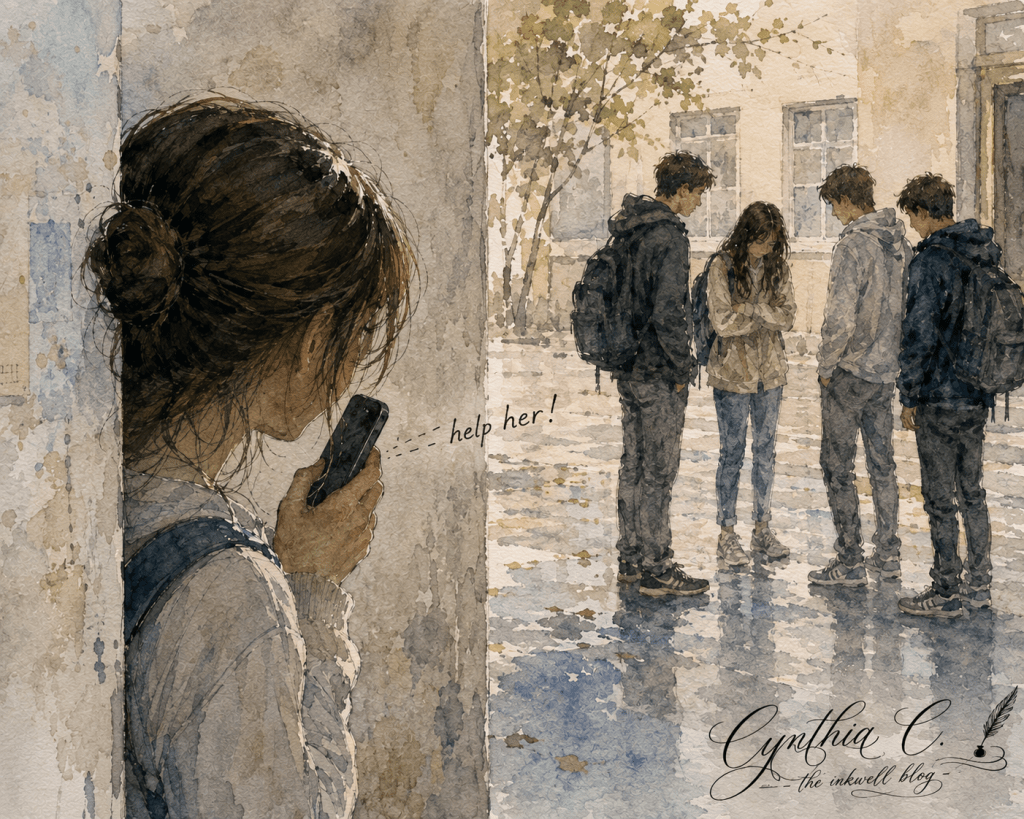

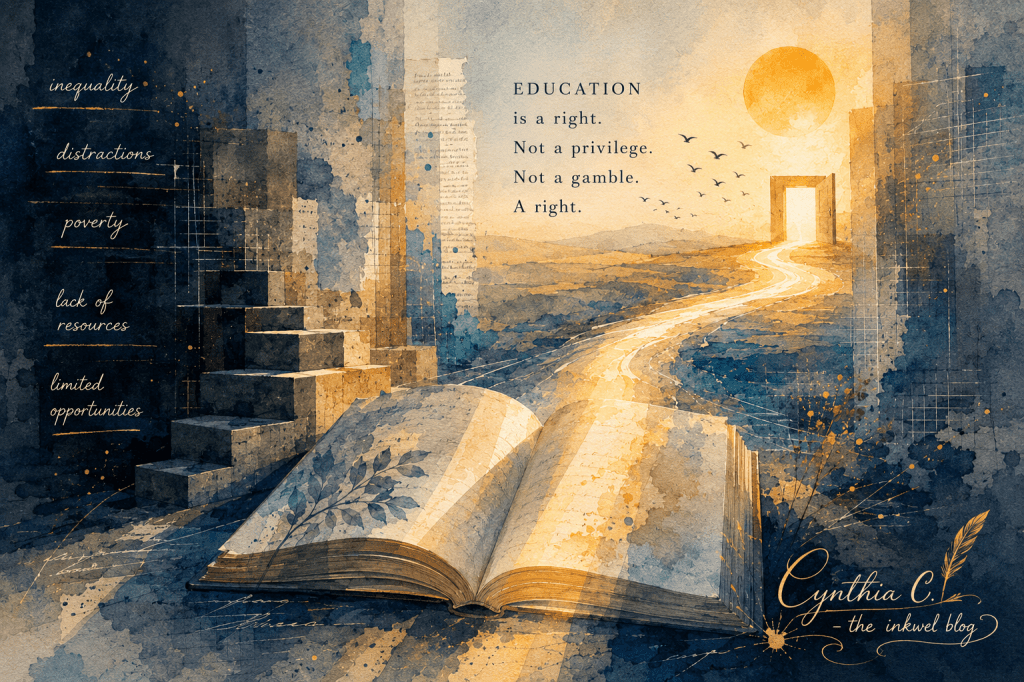

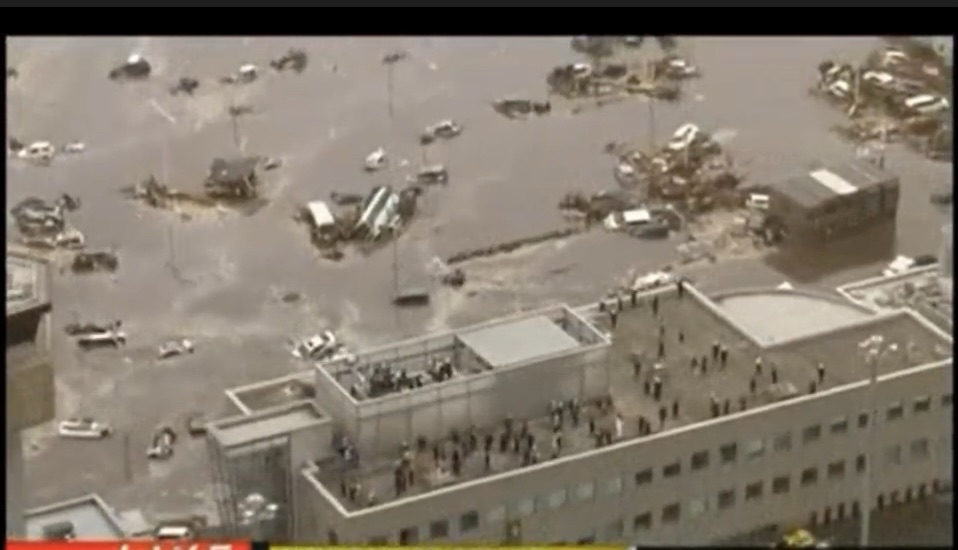
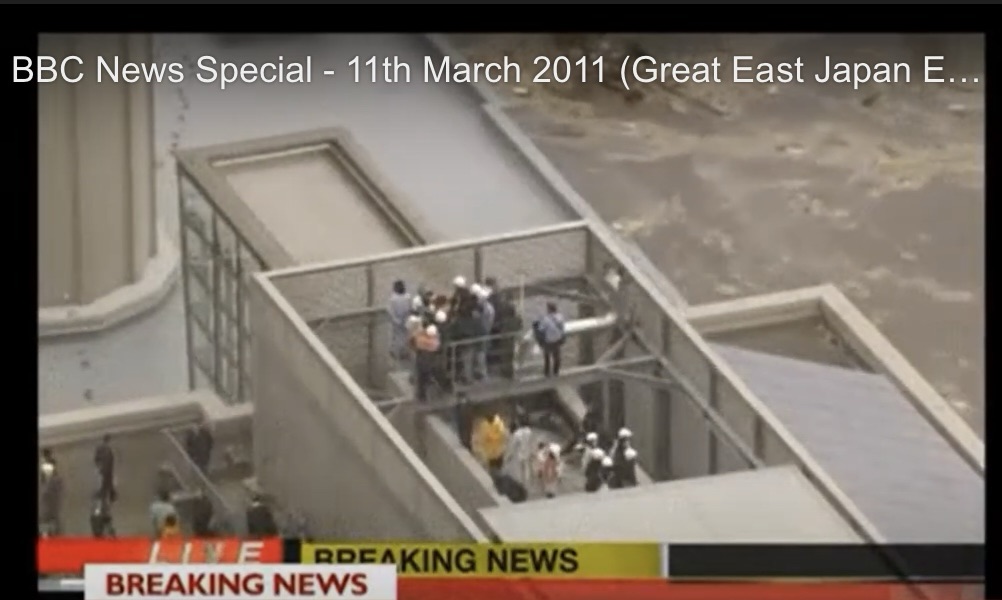
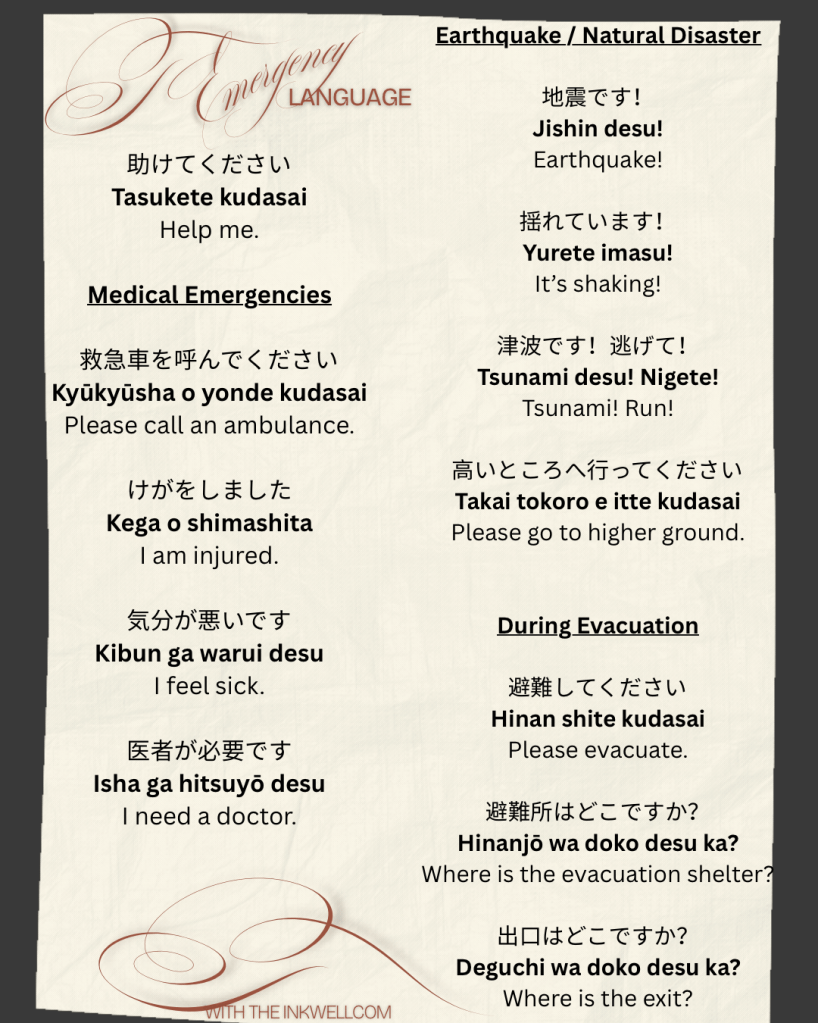
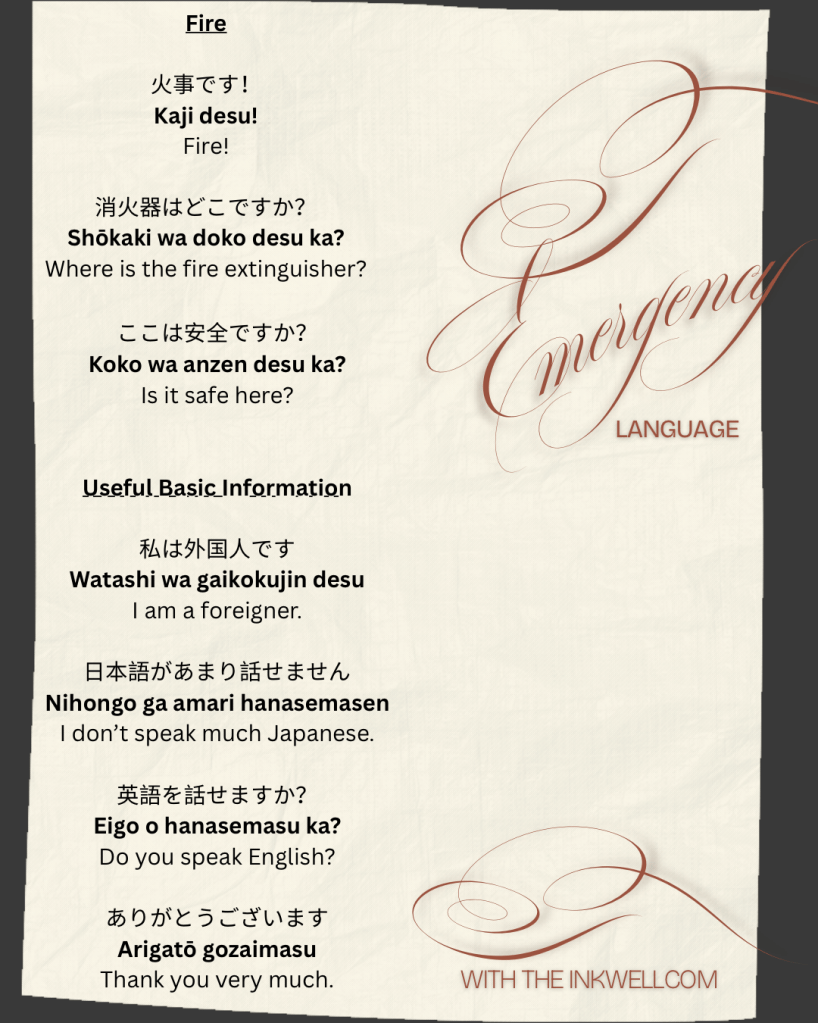
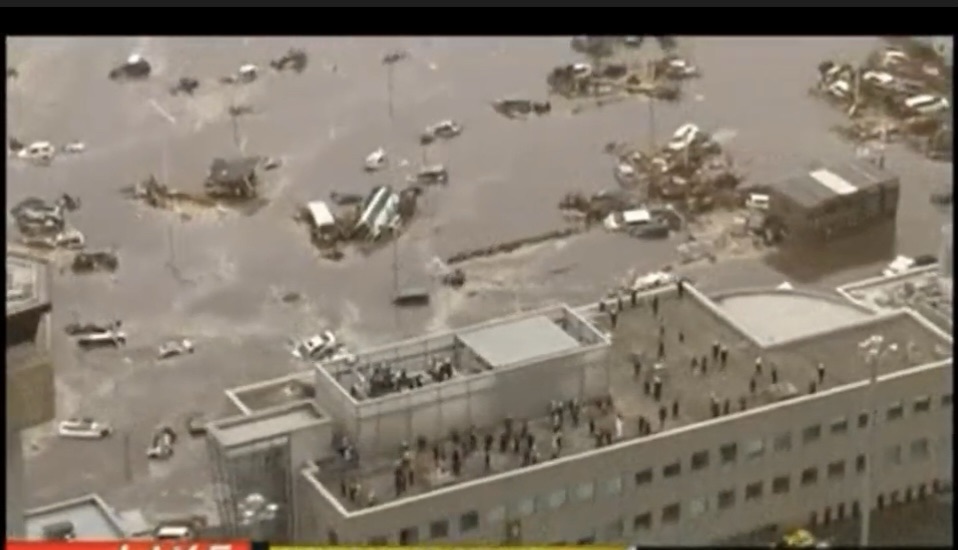


You must be logged in to post a comment.